

– Part Three –
THE EDIT IS OUT THERE
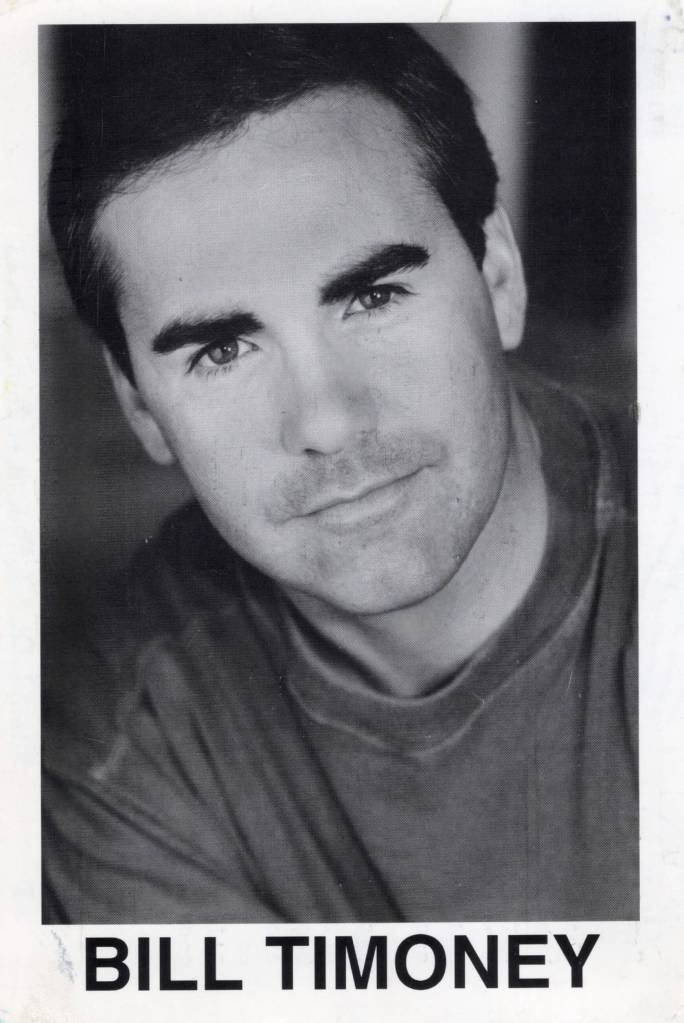
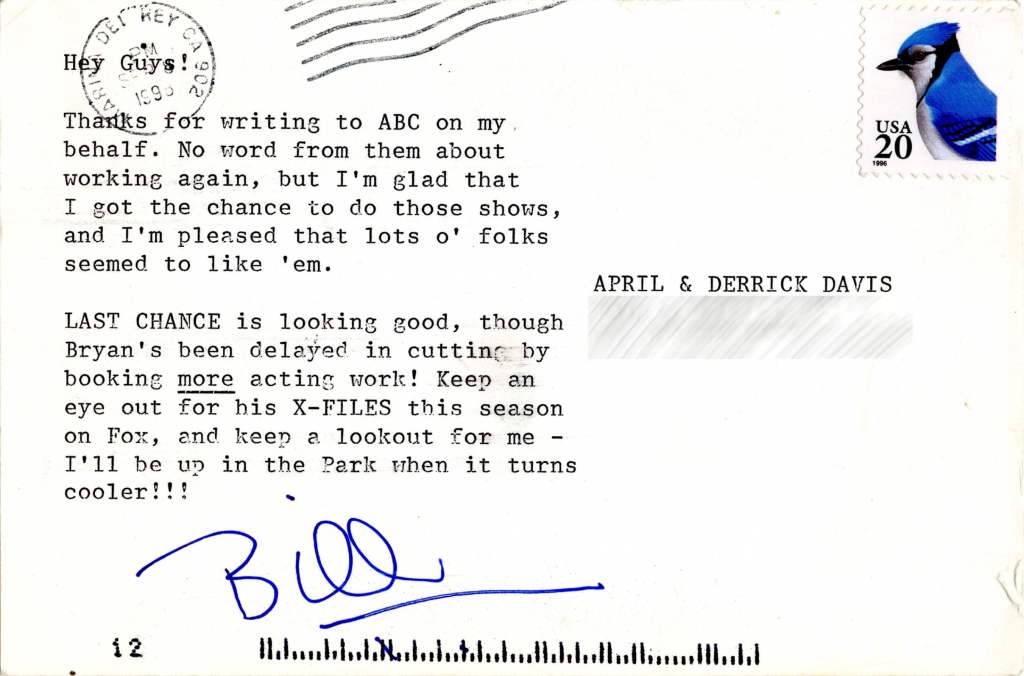
With the filming of ‘Last Chance’ completed, Bryan Cranston would soon be editing the film together. That September, Bill Timoney sent me and my sister a postcard giving us the status of ‘Last Chance.’ He said that it was looking good; however, “Bryan’s been delayed in cutting [the film] by booking more acting work! Keep an eye out for his [role in] X-Files.”
The opportunity for Bryan Cranston to star in a hit show came at a critical moment. “Robin and I had rolled the dice and put in $150,000 for ‘Last Chance,’” he remembers. With that large sum of money now gone, of course he was interested. [1]
Despite a quick turnaround from the desert to Hollywood, Cranston’s role in ‘The X-Files’ became an early turning point in his career thanks to how memorable it was. In the episode titled “Drive,” Cranston played Patrick Crump, a loathsome, racist man whose head will explode unless he continuously drives west at high speed. His curse traps Agent Mulder in a grim moral dilemma: Is someone this terrible still worth saving?
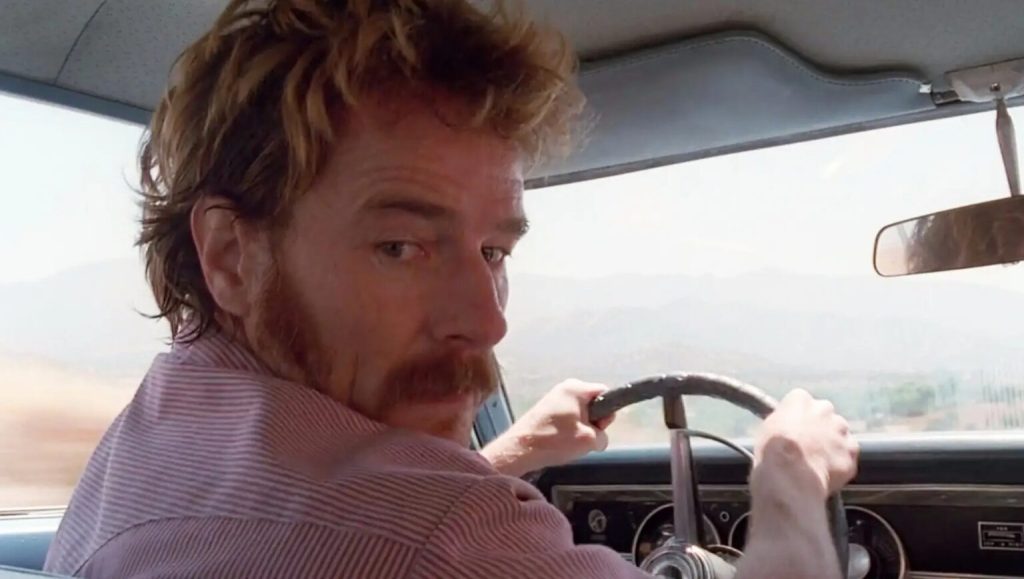
Although editing ‘Last Chance’ was delayed for this role, it was important both financially and for the future of Cranston’s career. In what would be a bit prophetic, the ‘X-Files’ episode he starred in was written by none other than Vince Gilligan, the creator of ‘Breaking Bad.’
Despite the paycheck, Cranston recalls, “You [eventually] run out of money in editing, and you go, ‘Okay, movie’s done.’ Even though I look at it and go, ‘I want another pass. I want another trim.’ Just like I go through my scripts, and every pass I go through my scripts I go, ‘Okay, that’s it. It’s tight, I don’t think I can even cut it anymore.’ I stay away from it for three, four weeks, I come back and I trim more fat and make it tighter. My shooting script on ‘Last Chance’ was 96 pages, and it turned out to be a 100-minute movie. […] In order to get a sense of [the desert locale], you need to spend time with it. You can’t zip through.” [7]

There was also the need for about five additional “insert shots” done in Cranston’s garage. These kinds of shots usually become realized while editing a film, deciding more coverage of a specific scene is needed. For example, a friend of Timoney’s used their hand to grab some ice—standing in for actress Amy Hathaway. They both had a similar build to make the transition as seamless as possible, instead of needing to bring Hathaway back for the simple shot. [8]
THE PREMIERE AT PALM SPRINGS

Editing continued throughout the end of 1998, which became challenging since there was desire for ‘Last Chance’ to start appearing in film festivals early next year. Thankfully, they earned a spot in the famous Palm Springs International Film Festival by showing the organization a rough cut of the film, featuring temporary music and an incomplete sound mix. The results impressed the festival, despite the film’s unfinished form. [8]

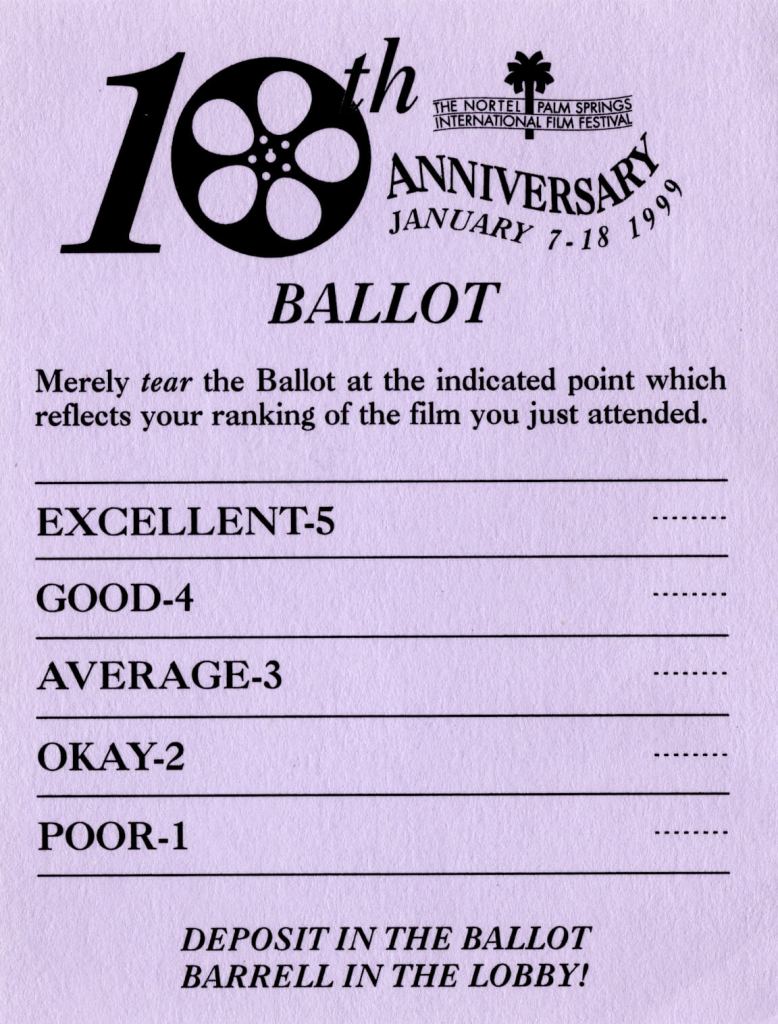
On January 10th, 1999, ‘Last Chance’ debuted at the festival via the Palm Springs Convention Center. Me and my family of course went to see it. I remember it bustling with people—a crowded building not for the claustrophobic. Cranston, Dearden, Timoney, and several of the film’s stars were in attendance. There were most likely other movie stars there as well, but my nearly 12-year-old brain couldn’t recognize them.
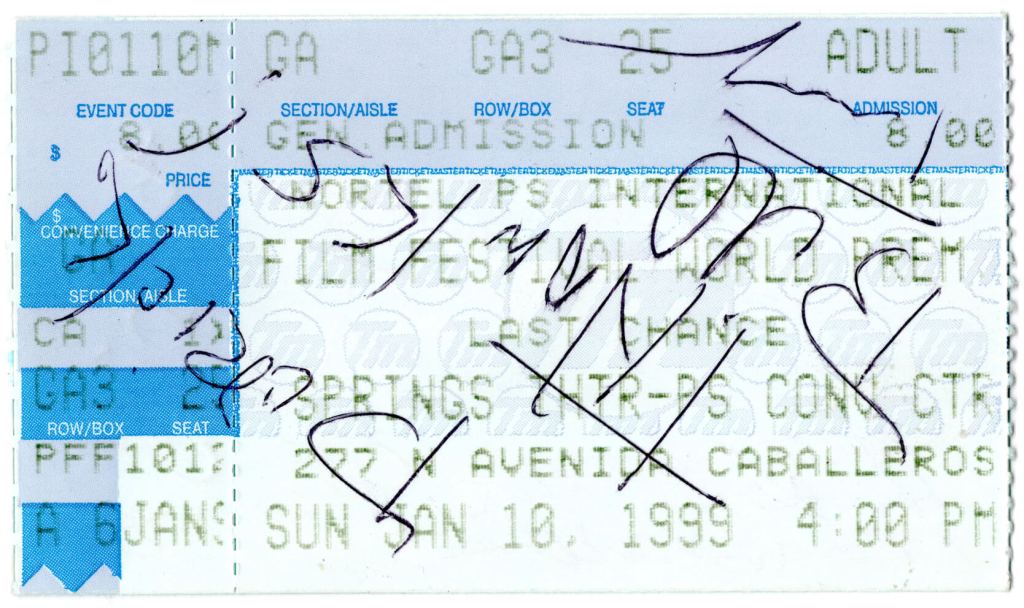
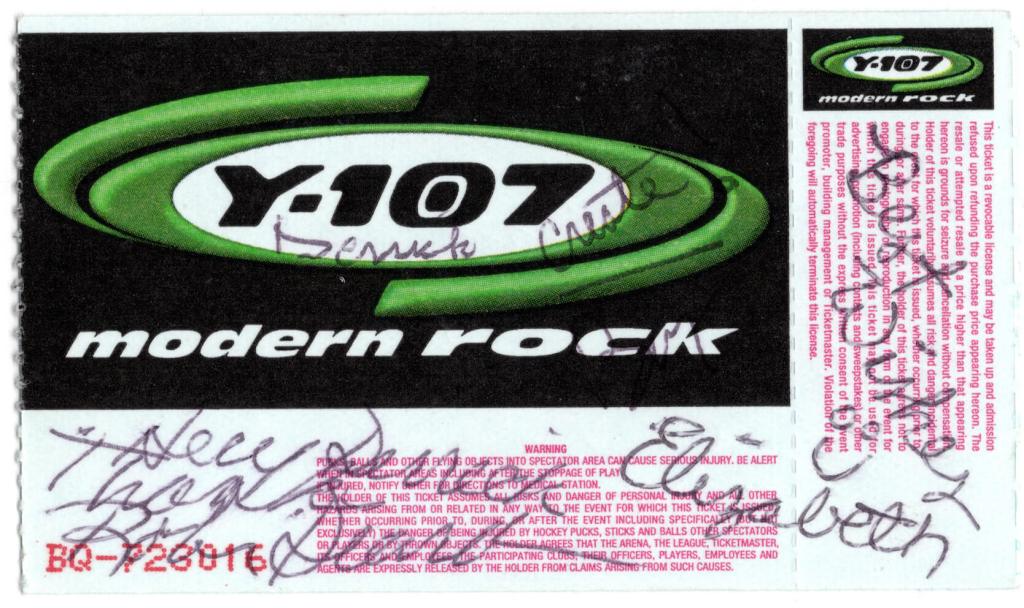
Soon, everyone was ushered into the theater auditorium. Lights dimmed, and the film finally began.
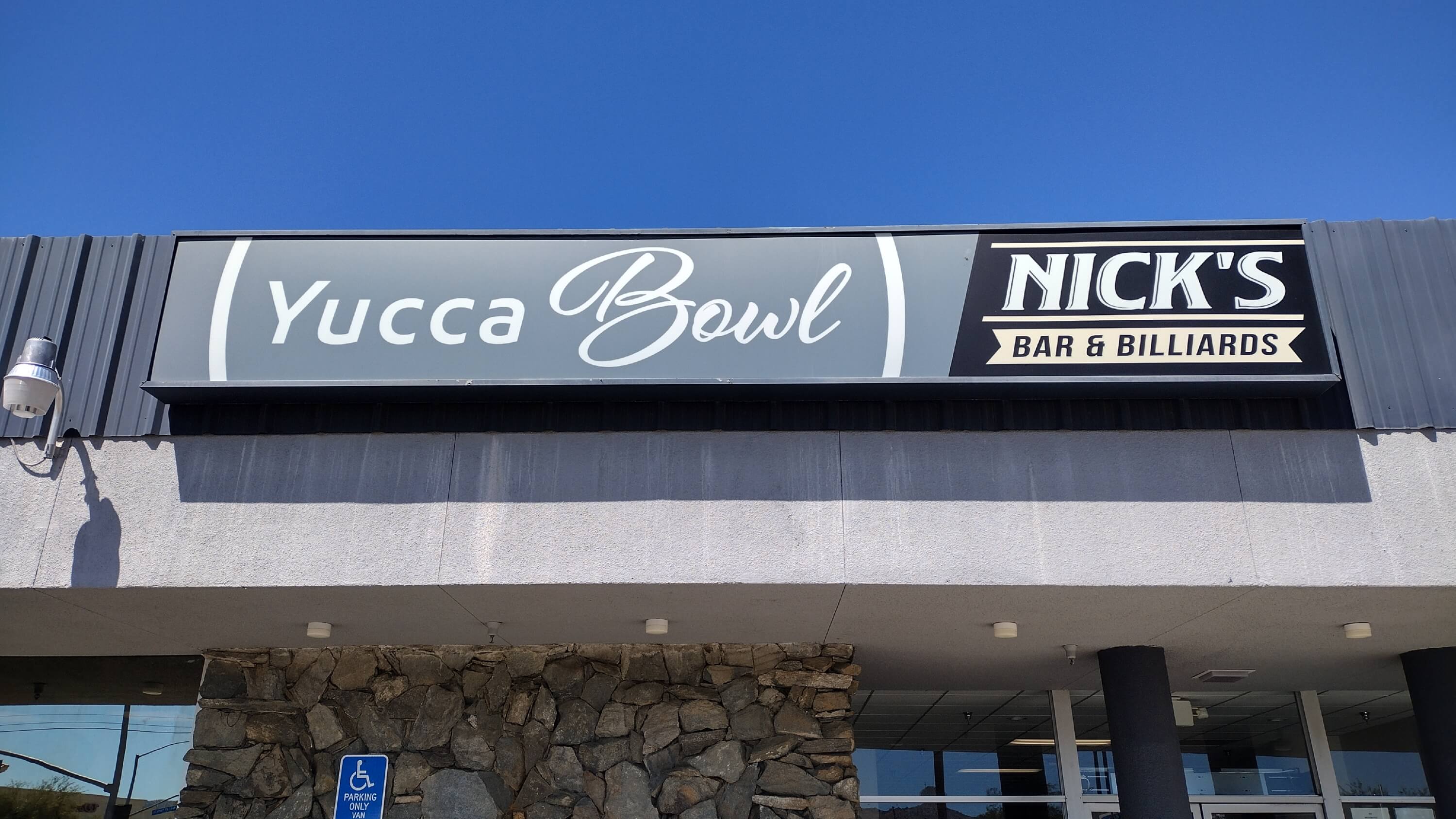
I’ll be honest: at my age, the film was not what I had expected. While I knew the basic story of ‘Last Chance’ going into it, my maturity and life experiences weren’t quite relatable to the emotional journeys that the characters go through. However, it was still a fun watch—recalling scenes that I had been present for filming, providing an almost ‘Where’s Waldo?’ level of fun. To finally see how Cranston’s vision of my desert locales was depicted felt pretty honest, with just a hint of idealized romanticism. It was also fun seeing my small town presented in a movie at all, noticing things like how a vehicle blocked the “Yucca” part of the “Yucca Bowl” sign to conceal its true location.

THAT IS NOT MY DAD’S VOICE
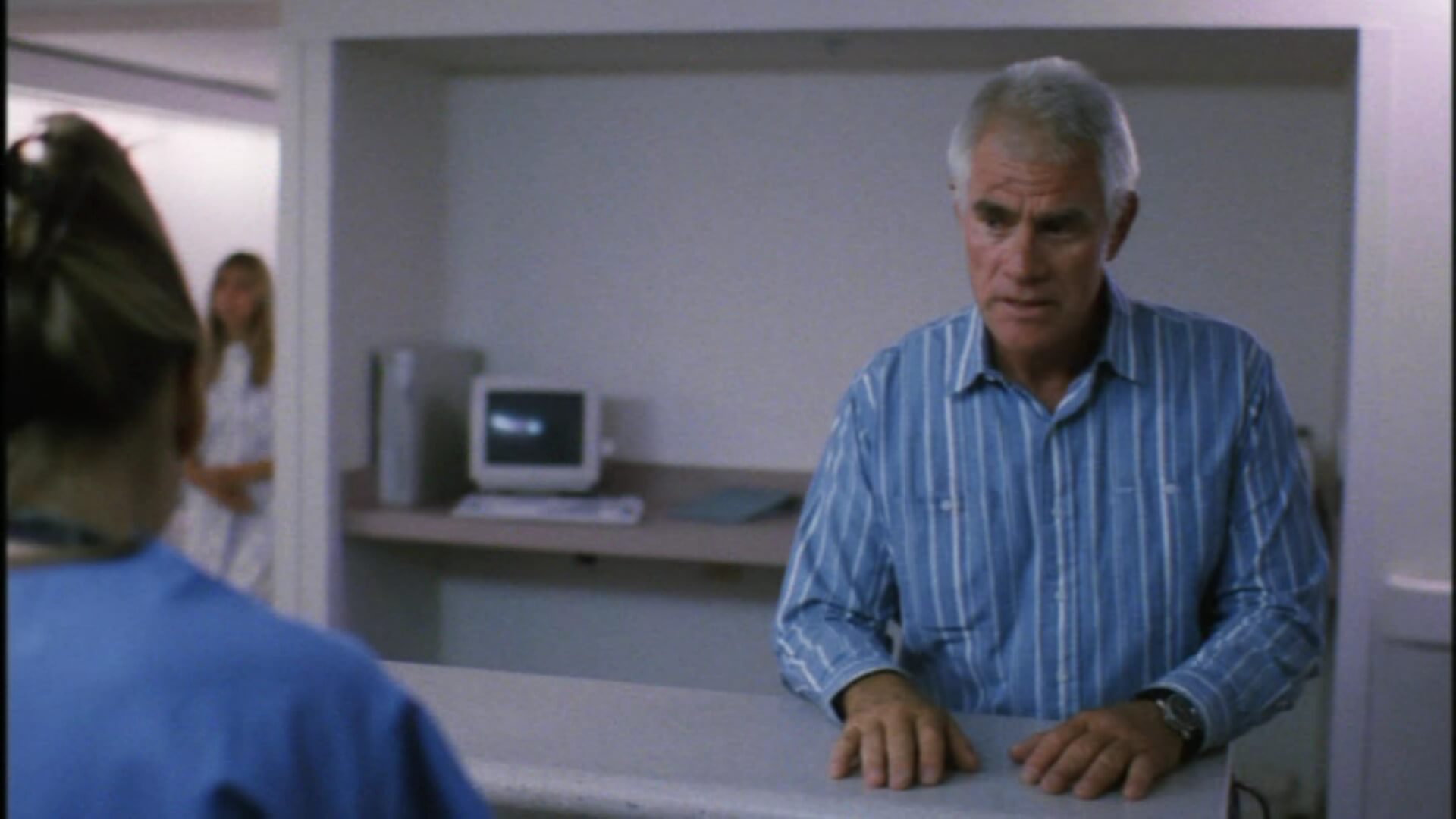
The film’s great performances shined in every scene, although there was one that I was certainly looking out for: my dad’s cameo as the orderly. Near the end of the film, his scene finally arrived, and… oh boy, did I not expect how it would turn out.
When my dad was filmed, he had no dialogue at all. However, in the final film, Lauren asks to see Artie, and a voice suddenly replies, “I don’t know, you’ll have to talk to the doctor, alright?” The voice is heard off-screen and is meant to be the orderly’s voice. But it was not my dad’s voice. In fact, it had an almost southern drawl that sounded nothing like him. The character kind of stutters as Lauren continues to yell at him, until he says, “alright,” and walks away.
“Dad & Sister’s Cameo” – A video clip from ‘Last Chance’ (1999).
My family and I all turned to each other and couldn’t help but hold back our laughter. For the audience, it was a random moment they wouldn’t think twice about. For us, it was hilarious.
This happened thanks to an editorial process called “looping”—a method used while “dubbing” a film. Timoney explains, “This is where the director or the editor sees an opportunity to add a line in [post-production] where none existed during production. [The term “looping”] refers to the mechanical technique by which a voice actor saw their cue back when [films with sound] first came during the 1930s” (Bill Timoney, email to the author, 2025).
My sister’s cameo as a hospital patient came and went in the same scene: you can just make her out in the background of a shot for a split second.
“YOU NEED TO GET OUT MORE OFTEN”
Despite a lot of the film’s story unfortunately going over my head at the time, I do recall one scene that spoke to me even then. It was one of the scenes inside the motel that I had not witnessed them film, making it a complete surprise.
Lauren visits Miss Bea, the motel’s guest who never leaves her room due to a special condition. While Lauren is there, they watch the sun rise in Moscow via an internet webcam displayed on a TV screen. Given this film came out in 1999, one must remember how novel such a thing was during the internet’s infancy.
“You Need To Get Out More Often” – A video clip from ‘Last Chance’ (1999).
Miss Bea says, “This is happening right now, thousands of miles away.”
“I didn’t know they could do that,” Lauren replies, as she looks on in wonder.
Miss Bea smiles, then says, “You need to get out more often.”
Lauren continues to look at the screen, as her expression subtly twitches.
The scene ended on a comedic, ironic note—but it also perfectly revealed how Lauren feels: not finding, or allowing, ways to “get out more.”
At my age, I already yearned for ways to see more of the world. As a family, we went on a few trips around California, including Catalina Island, and some brief visits to Nevada and Arizona. But thanks to movies and the internet, I knew there was so much more beyond the grains of sand that surrounded me. As an adult, Miss Bea’s “you need to get out more often” line is still, unfortunately, very much relatable.
SURPRISES
At the end of the film, Lauren finally gets Lance to sign their divorce papers. During this premiere screening, something unexpected was revealed to the filmmakers and the audience at the same time.
Cranston recalls, “[In this scene,] I pull out these papers, which I needed something that looked like legal papers. I was married once before, and I pulled out my old divorce papers from my first marriage.” [4]
Dearden chimes in, “And after our first screening, people said, ‘Bryan, your name was on those papers.’” [4]
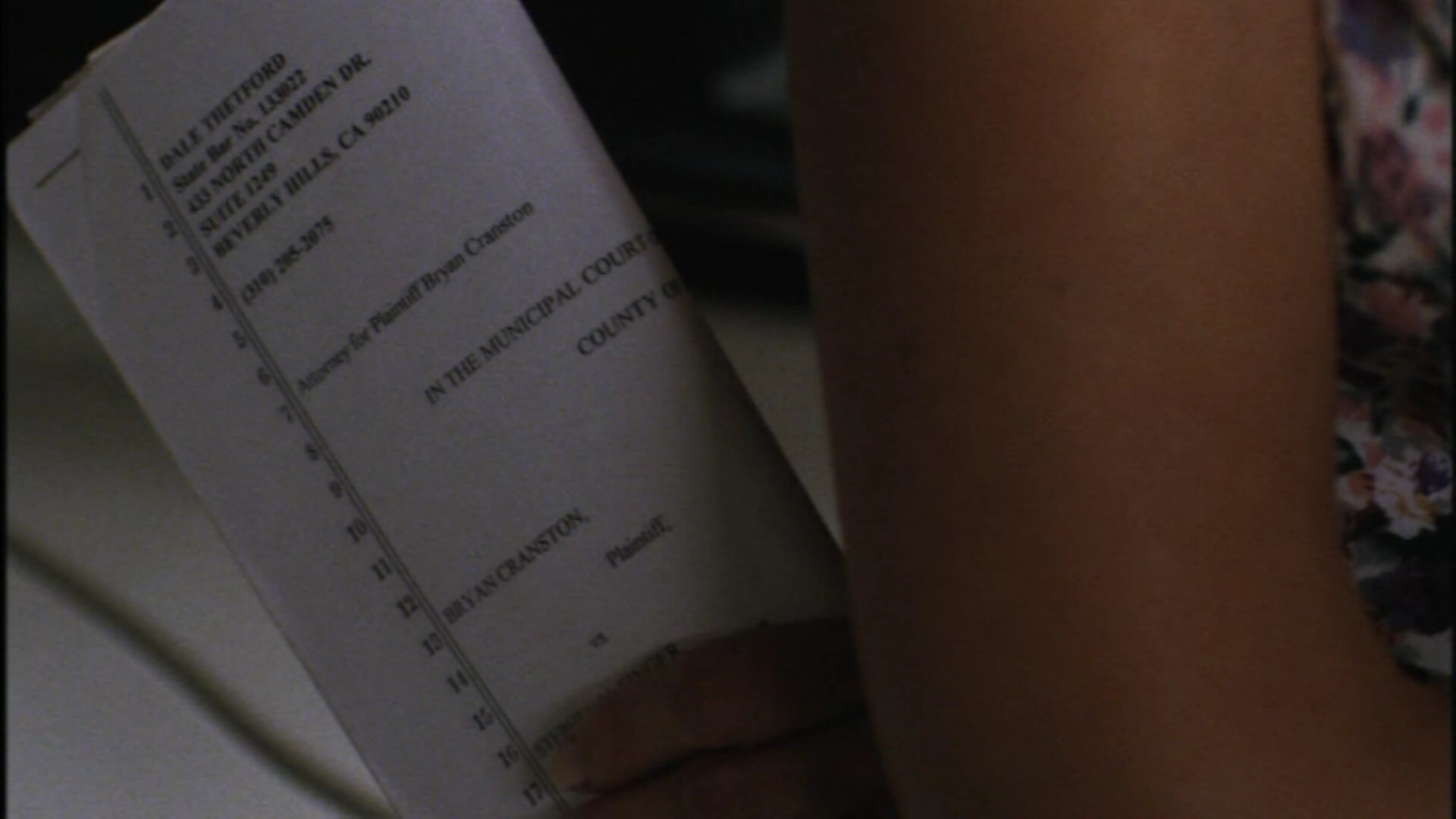
Cranston continues, “Now, when we looked at it in on the video [editing] screen, I couldn’t read anything. So I go, ‘okay, good.’ But on a big screen, you read it clearly! [‘Plaintiff: Bryan Cranston.’ When] all the Hi-Desert people came down to see it, the place fairly exploded. All of us looked at each other, because it didn’t read at all when we were cutting it.” [4]
Despite this accidental goof, the shot remains in the film to this day.
The film also revealed another surprise that night, specifically for Dearden. Near the end of the credits, a line of text reads: To R.D. with love.

“This is my most favorite part of the movie,” Dearden reveals. “And he didn’t tell me he was going to do that. And I didn’t know it was in there [at the premiere screening, so] I started to cry!” [4]
THE HI-DESERT SCREENINGS
‘Last Chance’ was originally going to screen in Yucca Valley during February. [9] However, it didn’t play before the local audience until April 11th, 1999, at Cinema Six (now known as Paradigm Cinemas). This screening was an important one to Cranston, deciding that most of its profit would go to local charities for the J.T. Kids Club, the Hi-Desert Playhouse, and the Hearts of the Desert & Unity Home. [4]
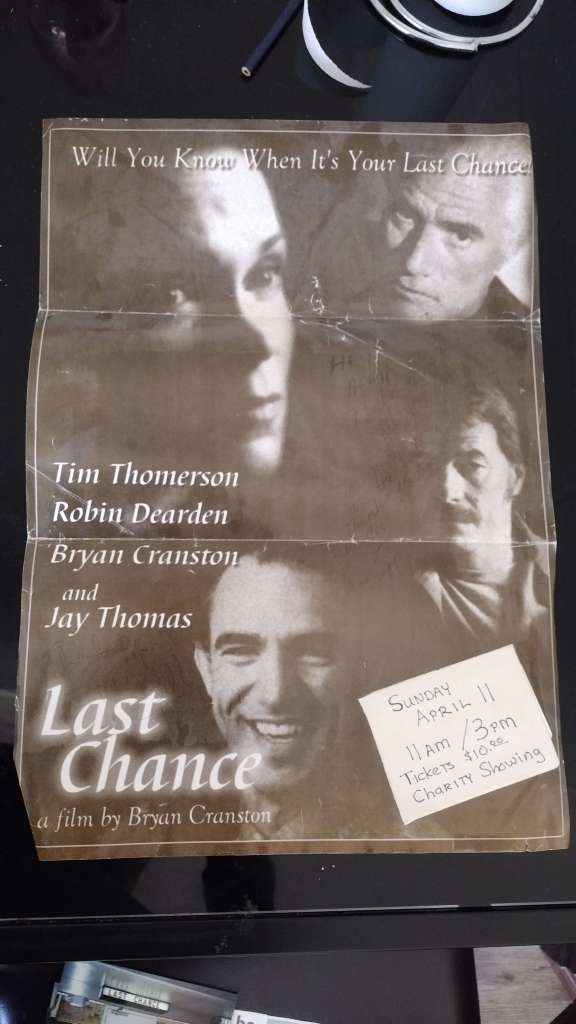
“I was looking for something that would allow me to thank the people that were a lot of help in making the movie,” Cranston said. “Everyone who volunteered time would get a couple of tickets for free. The rest would be for sale.” [3c]
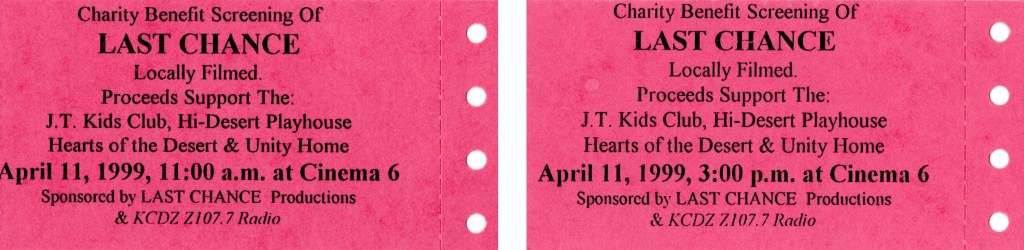
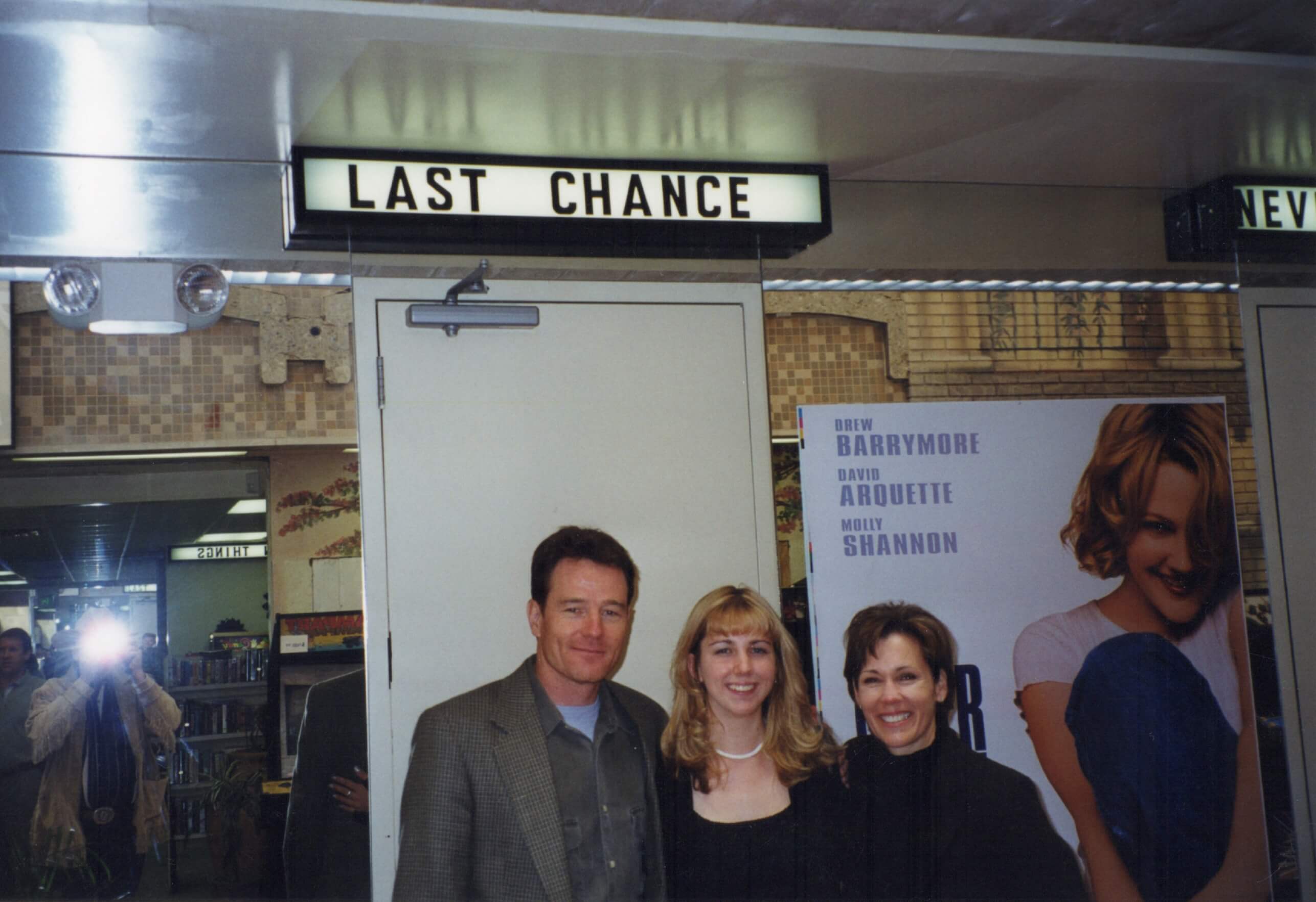
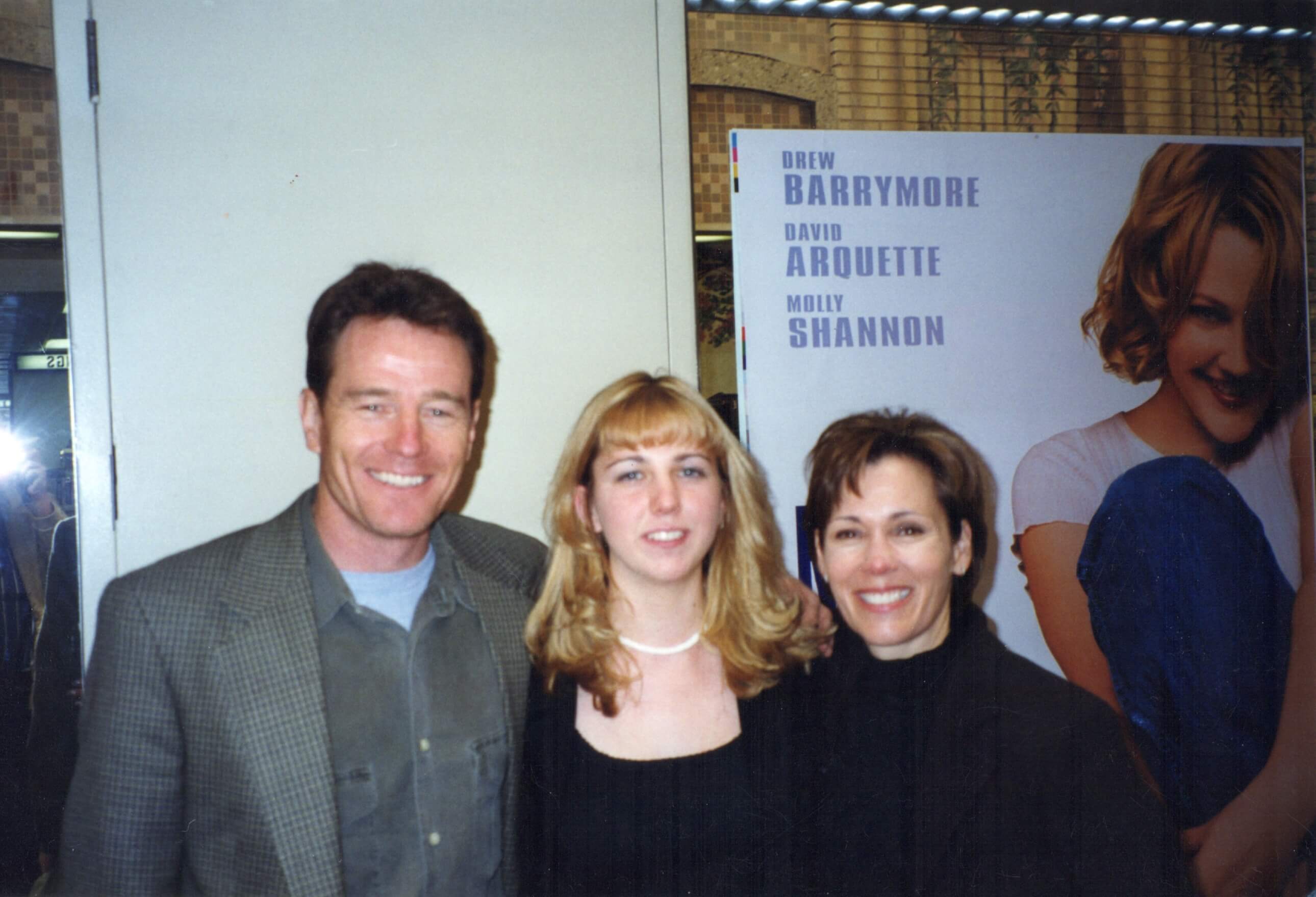
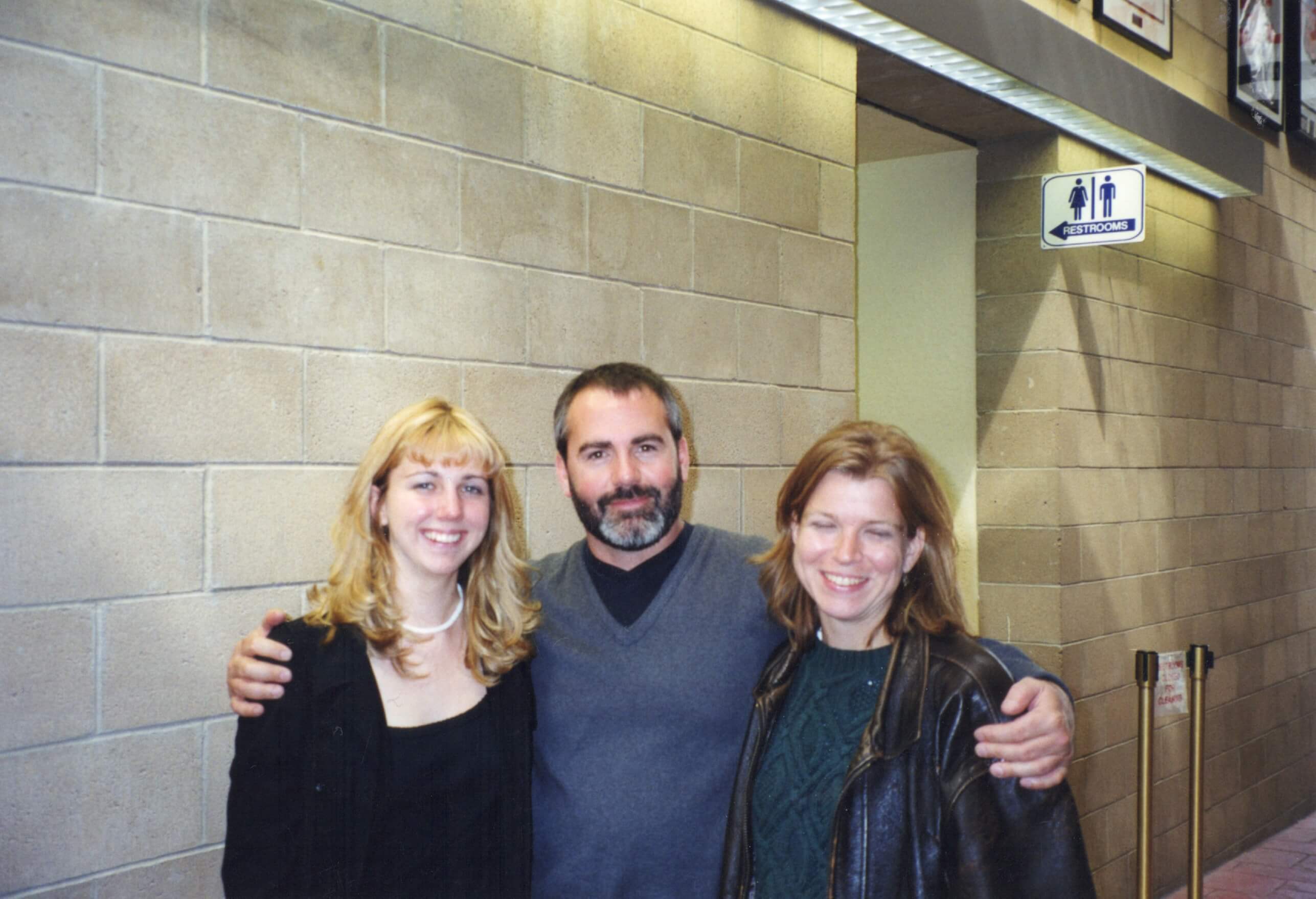
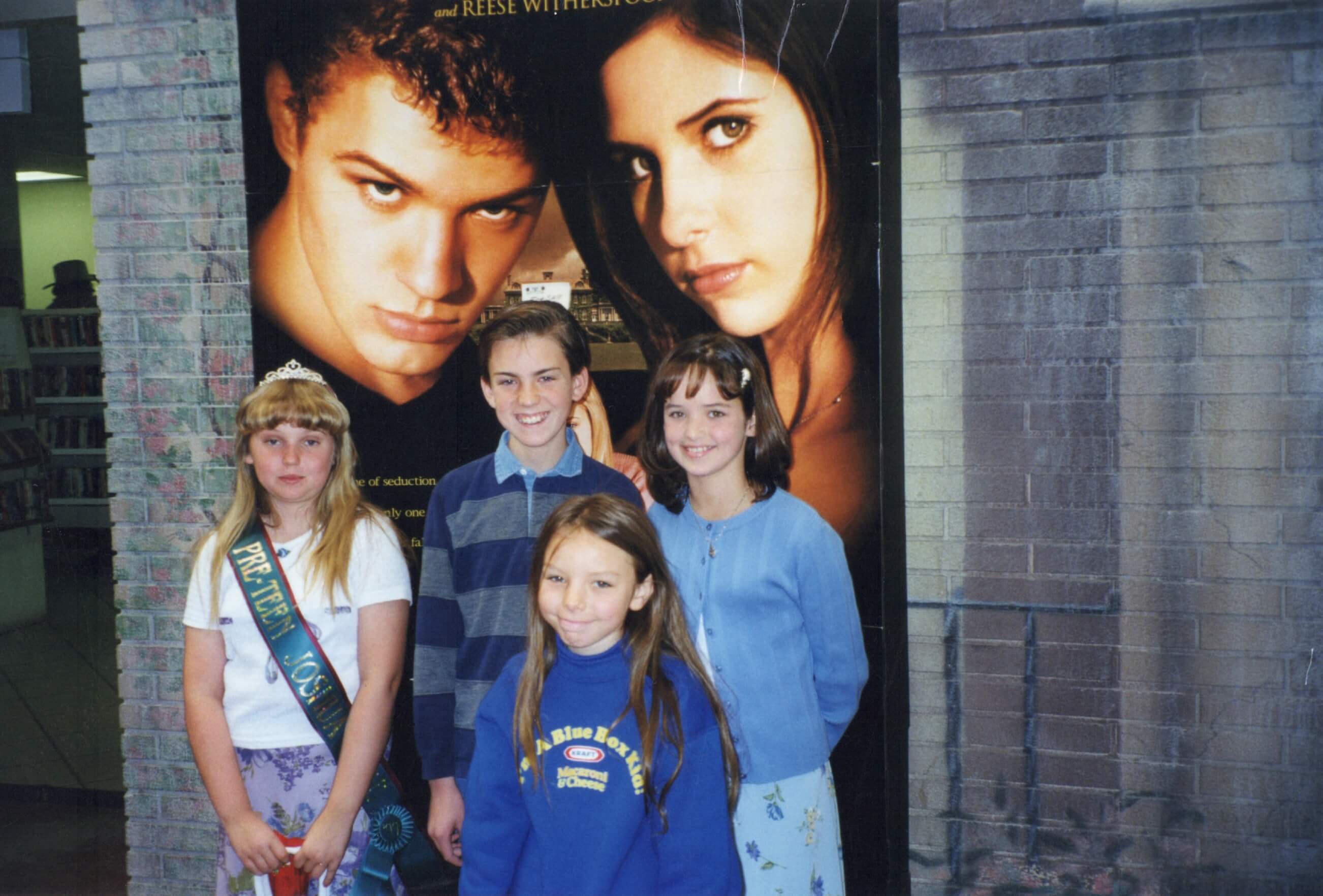
My family and I also went to this screening, of course. It didn’t have that Hollywood-style professional glamour that the Palm Springs premiere boasted, feeling much more like a casual, noisy gathering of the townspeople. I had gone to this theater many times, but it wasn’t usually packed like sardines in this way unless a big blockbuster was showing. Having seen the film already, I wondered what the community really expected to see. After watching the film again on this theater’s much smaller screen, I had a chance to see Cranston and some of the cast and crew again, one last time, before they would go off to other film festivals.
FILM FESTIVALS, PRAISE, & AWARDS
Traveling around the country, ‘Last Chance’ would be played at about 14 different film festivals.
Cranston recalls, “Thinking back now, on touring around, it was a lot of work trying to get attention to the film, but it was a lot of fun.” [4]
Dearden agrees, saying, “It was a lot more fun than it was work. A lot more fun.” [4]
During its run in the film festival circuits, ‘Last Chance’ would earn great critical praise.
The Palm Springs International Film Festival claimed, “In the drought of quality independent films… ‘Last Chance’ is like a tall drink of water.” [2]
The Longboat Observer would also say, “Strong performances and a powerful script add dimension to this heartwarming and at times perplexing picture.” [2]
The positive reactions led to ‘Last Chance’ earning three fantastic awards:
- Best Actress and Best Director –Method Fest Independent Film Festival, Los Angeles
- Best of the Fest – Drama – Breckenridge Festival of Film, Colorado Audience
- Audience Award – Valleyfest Film Festival, Knoxville, TN [2]
CRITICISM
However, no art is without criticism, and ‘Last Chance’ was no exception. There were some negative opinions of the film, such as this review that was once on IMDb, via a Palm Springs Film International Festival attendee: “Amateurish screenplay, inept direction, and incompetent cinematography combine to swamp this well-intentioned effort. […] The auteur should stick to acting in films written and directed by professionals.” [10a]
In what may be seen as taboo, Bryan Cranston actually replied to this review on IMDb at the time, saying, “Like any proud father, I don’t particularly like it when my ‘baby’ is criticized, however, when one displays their art for the public, one must take the ‘pounding’ along with the ‘pats.’ [This reviewer] has the right to an opinion, so my missive is not intended to declare that [they are] wrong, rather to offer a different viewpoint to balance the scale, then let each film goer decide.” [10b]
Cranston goes on to defend the criticisms that were further detailed in the review. In these extremely early days of social media’s history, it shows a lot of Cranston’s personal character just how cool and collected he reacted overall. Now, in the world of nearly instant Twitter (X) posts that can follow a film’s release, it’s easy to forget that sometimes a real conversation can be had rather than flinging personal insults back and forth, like a demented game of ping pong.
Cranston would later recall, “As artists, by virtue of our chosen profession, we are subjected to criticism. If you cannot handle that, you’re in the wrong business. So that doesn’t bother me. It doesn’t even have to be constructive—just be specific… that’s what we look for. Specificity, so that it’s not, ‘I don’t know. I just didn’t like it.’ What didn’t work for you?” [7]
A PROUD PRODUCTION
In the end, Cranston was proud of the film. [4] “I really enjoyed [it],” he recalls, “There are things about that simple tale that I wish I could’ve done differently, but that’s what art is all about. You look at paintings, and…how does an artist know when that painting is done? And, believe me, the agonizing part of being an artist is that you really don’t know. And sometimes it’s outside forces that say it’s done. Or you just get sick of it and can’t look at it anymore because you don’t know what else to do, and you get frustrated. But I think ‘Last Chance’ was an interesting tale.” [11]
Dearden also shares positive sentiments. “I think it was really just about doing it,” she says. “It wasn’t where it was going to go or how it was going to end up or whether it was going to be sold; it was just doing it. […] And it’s an actor’s movie. I mean it’s the kind of thing that I think most actors love to watch, which is human behavior, as opposed to action, and it’s a character study. […] It’s the hardest work I’ve ever done and the most fun I’ve ever had.” [4]
IT’S SHOWTIME
After the successful film festival run for ‘Last Chance,’ Bryan Cranston would become quite busy with the popular television show ‘Malcolm In The Middle,’ which premiered in January 2000. His genius comedic portrayal of father “Hal Wilkerson” quickly left a memorable impression on millions of viewers across the show’s 7-season run. My family and I were certainly among them, laughing along with the world as the show’s entire ensemble delivered their hilarious performances. Thanks to this show, his career quickly blossomed further.

As years passed, my desire to become a filmmaker intensified. The experience I had on ‘Last Chance’ boasted my inspirations, along with the advent of DVD movie commentaries and “behind the scenes” documentaries. I spent hours watching those kind of “bonus features” on DVDs of my favorite films as they were released.
Getting television rights and home media produced for ‘Last Chance’ would prove to actually be a bit challenging itself.
In 2003, Cranston said, “[Right now, the film] stands with a man who has faith in it from a buyer’s standpoint, [but] certainly not from an artistic standpoint. He asked me how long it was. I said, ‘100 minutes,’ and he said, ‘It’s too long.’ I said, ‘How can you say that? You haven’t even seen it yet?’ So he’s looking at it from a totally business point of view.” [7]
Thankfully, in the fall of that year, Showtime picked up the film and aired it on their cable television channel. [7] Showtime was not something my family had, so we never got to see it that way.
THE RETURN TO YUCCA VALLEY
On May 25th, 2004, Showtime finally released ‘Last Chance’ on home media. In celebration, Cranston returned to the Hi-Desert area during its “Grubstake Days” celebrations that take place annually around Memorial Day. Cranston’s return made it even clearer just how much he respected Yucca Valley and the surrounding locales. [12]

“We owe them,” Cranston said. “It was a great experience for us. […] We had so many helpful hands from the citizens of Yucca Valley. […] Whatever they want me to do. If they want me to be in the parade, I’ll do that.” [12]
While I don’t recall if Cranston was in our parade, he did stick around for the event’s festivities to talk to everyone and sign autographs. He also planned for some fun afterwards.
“Now I get to go back and just enjoy it,” he said. “I didn’t get a chance to go to [Joshua Tree National Park]. I’m looking forward to doing that.” [12]
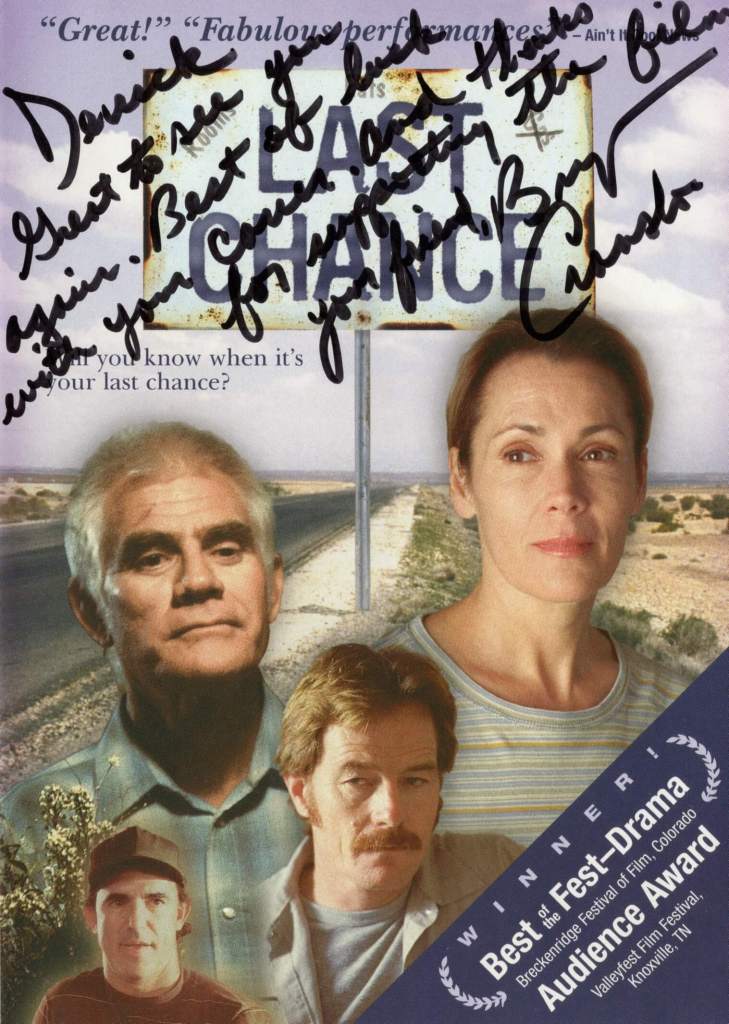
DVDs and VHS tapes of ‘Last Chance’ were available to purchase at Yucca Valley’s Hollywood Video store, which my sister and I both acquired. The remaining unsold copies would become rentals. An advertisement billboard with the film’s home media artwork was near the registers, autographed by Cranston, saying, “Thank you Yucca Valley. Shooting ‘Last Chance’ here couldn’t have been done without you! I’m very grateful. Best, Bryan Cranston.” Later, I was able to obtain this billboard.


Shortly after our purchases, my family and I went to the Grubstake Days festival. We soon found Bryan Cranston and Bill Timoney, standing outdoors under striped canopies, trying to avoid the desert heat. The pair wore special olive-green t-shirts with the film’s ‘Last Chance’ Cafe sign and a tagline: What have you done with your life?


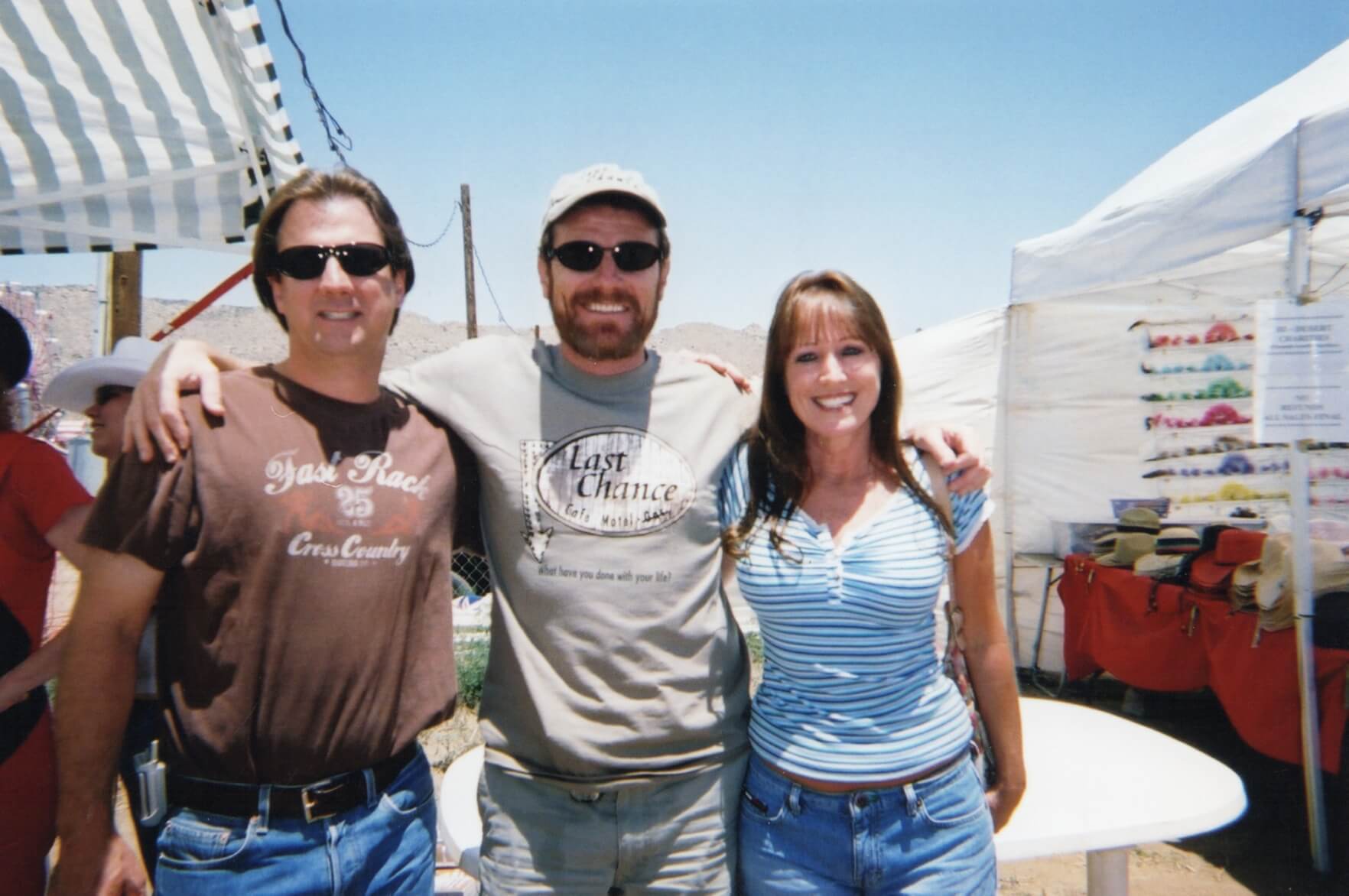
I decided to wear my “Last Chance Official Observer” badge to help remind them of who I was. It had been about six years since they had filmed the movie, and I had aged from 11 to 17. My appearance had certainly changed. This is unfortunately evident in the photos we had taken together, because I was sporting a truly awful spikey hairstyle that didn’t even look good in 2004. I don’t recall keeping that hairstyle for long, but it’s a big regret that it was present for those photos. Oh well!

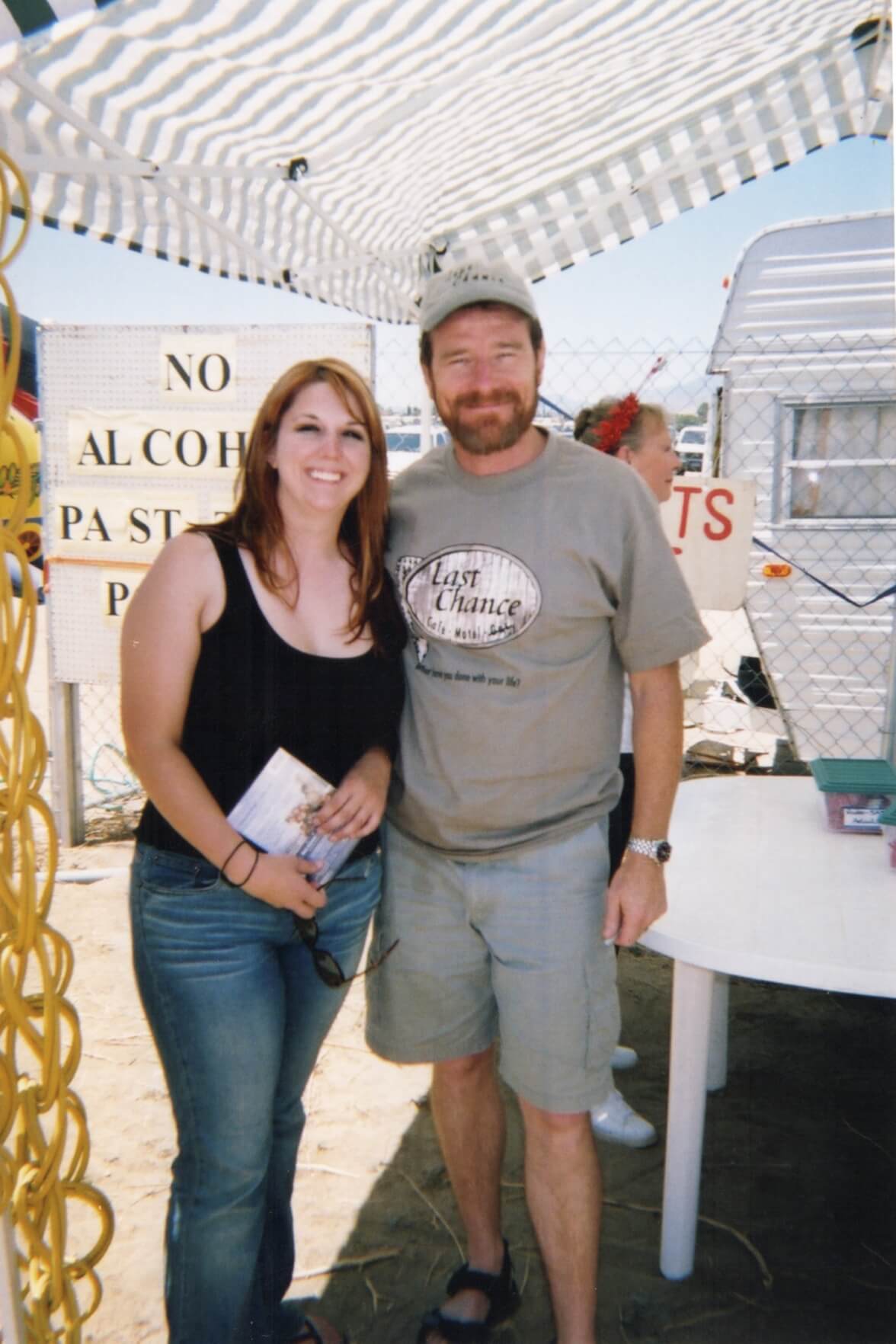

Cranston and Timoney remembered me and my entire family, and it truly did feel like a reunion. They both appeared touched as we congratulated them on the success of both of their careers. I remember they talked about my continued filmmaking aspirations for a while. Just a few months prior, I had completed a short film in my junior year of high school that had its own wild production story. I had also just performed a lead role, Christopher Wren, in the famous Agatha Christie murder mystery play, ‘The Mousetrap.’

Once it was time to leave, I thanked them again for the inspiration the ‘Last Chance’ experience gave me—as Cranston signed our DVD copies of the film, gave us some ‘Last Chance’ t-shirts, and took some photos. They wished me a successful career, and with that, we left the festival grounds.
THE DVD

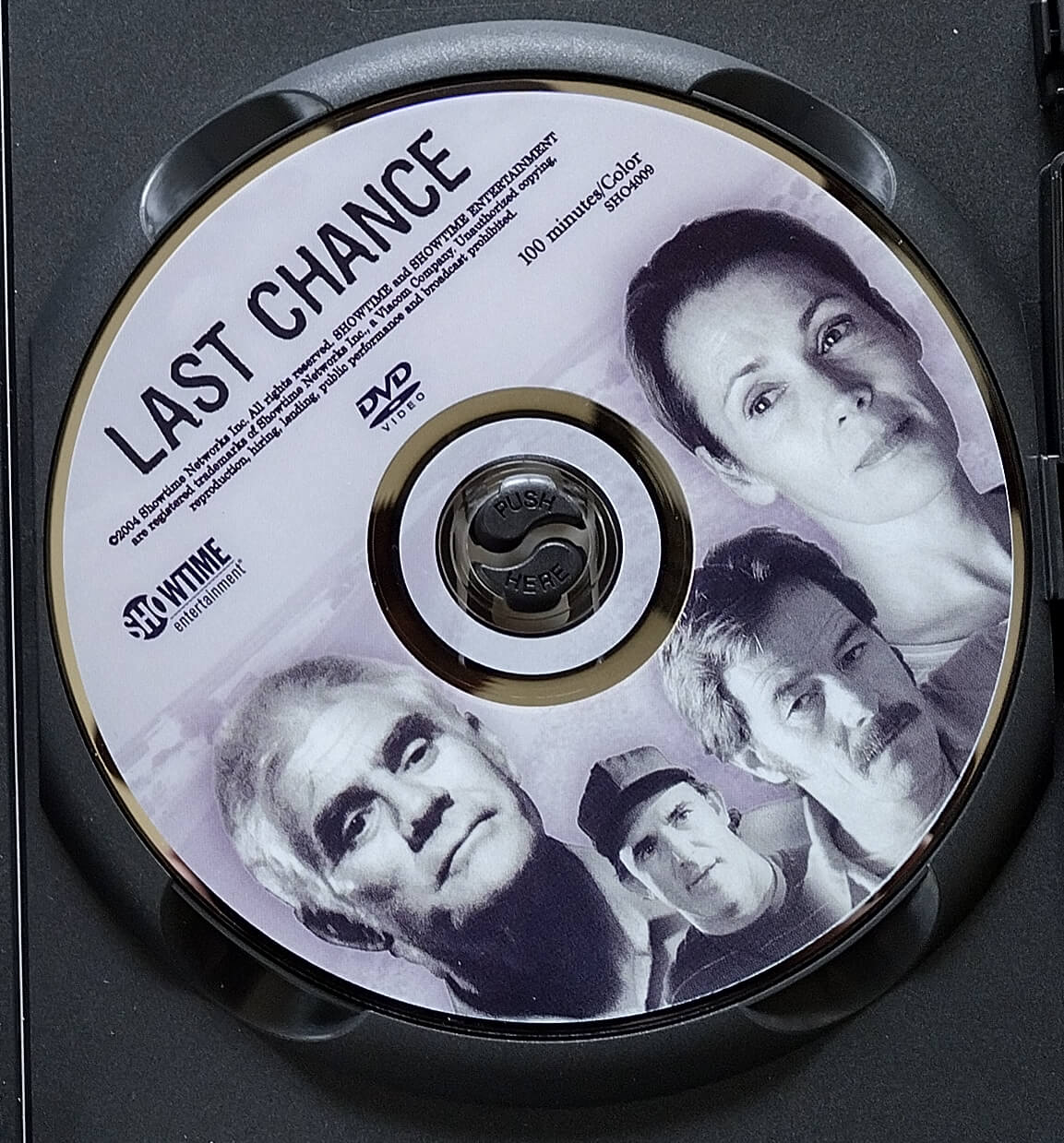
‘Last Chance’ DVD front cover & disc.
Finally re-watching the film again that night on DVD was a treat. For us, it was like watching a professional home movie. I am sure this is how everyone feels after being part of a film’s production and reliving the past through the final product. Even better, the ‘Last Chance’ DVD included a bonus feature: an audio commentary with Bryan Cranston, Robin Dearden, and Bill Timoney. They provide a detailed recollection from their perspective working on the film, which I included many quotes from in this article. Recently, Timoney revealed that they “recorded that commentary in Westwood [of Los Angeles] over a bottle of wine” (Bill Timoney, email to the author, 2025). And why wouldn’t they? It was certainly a celebratory occasion.
Unfortunately, the quality of the DVD transfer of the film is not very good, evident even back then. It’s a bit pixelated and does not show image detail well at all. Today, if one were to watch the streaming version on Tubi, it’s even worse: the aspect ratio is squished. This is a massive shame, since ‘Last Chance’ was filmed on 35mm film stock. [4]
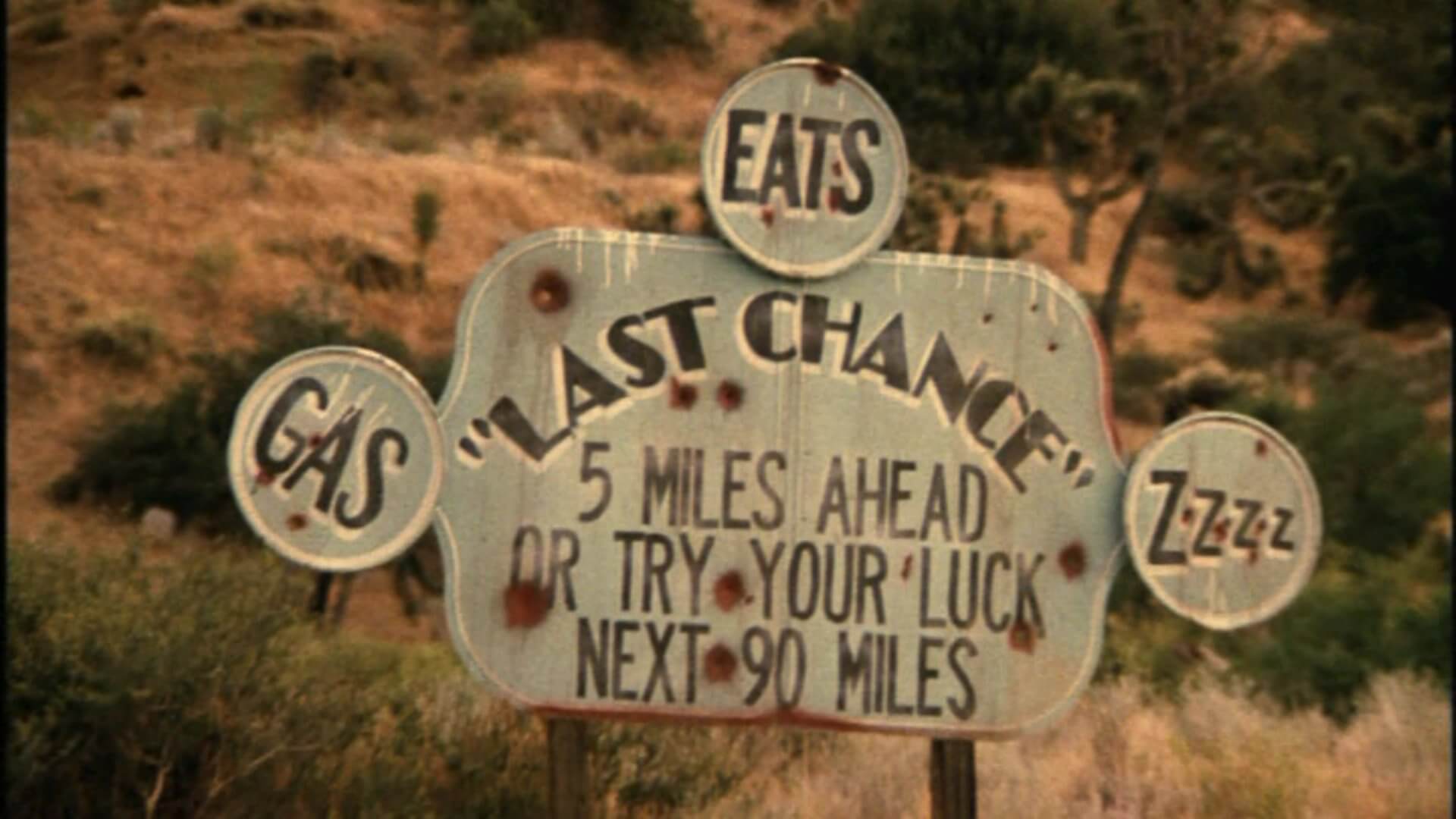

“I chose to shoot this on 35 with a skip bleach process, which doesn’t take the silver out of the celluloid,” Cranston explains. “So, what happens is it mutes the colors a lot. It doesn’t saturate the colors. And I wanted the earth tones a lot. The downside is that sometimes it gets a little muddy, or it gets a little darker or [dull], but it’s a low budget film and you get what you can and move on.” [4] He also reveals, “We bought short ends (partial rolls of unexposed film), leftovers from big-budget movies. We’d load those in the camera when we knew the scene was short.” [1]
Perhaps someday the film will get a high-definition transfer that it truly deserves. Until then, its time and place are preserved on the disc—ready for me to uncover it, like a tomb waiting for exhumation, at a time when I might need it the most.
This article was written & assembled by Derrick Davis on October 7th, 2025 exclusively for Derrick Davis Media. “Part Three” updated on January 28th, 2026. References used and the author’s research materials are cited and made publicly available. Featured in a Hi-Desert Star article on October 22nd, 2025; available to read online & in its printed form. If interested in quoting or showcasing anything from this article, please reference this site and the author.
 Derrick Davis Media