
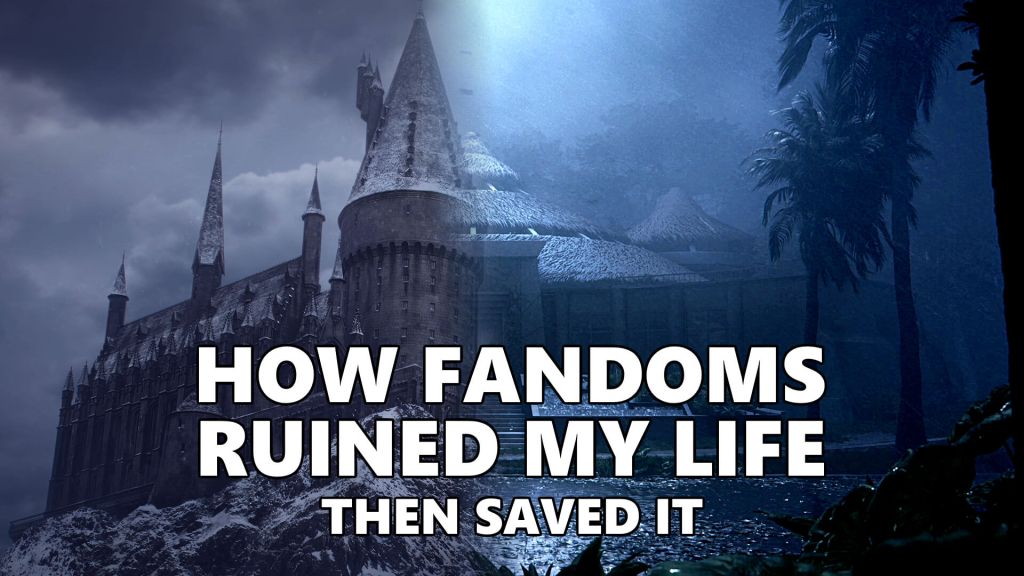
Derrick reflects on his childhood and how his obsession with fandoms produced a dark future, with only an ironic remedy that can salvage it.
– Part One –
PREHISTORIC INSPIRATIONS
1993: Six years old.
I was playing at my local community center park on a warm summer night. Being rambunctious during the day in a desert town was out of the question without being overdosed with sunscreen, burned by metal jungle gyms, and scorched by plastic tube slides. Moonlight was better than sunlight. But as I played, I noticed something projecting on the nearby drive-in theater’s screen against the inky night. The images moved silently against the giant white rectangle, since I was too far to hear from car radios or other speakers.
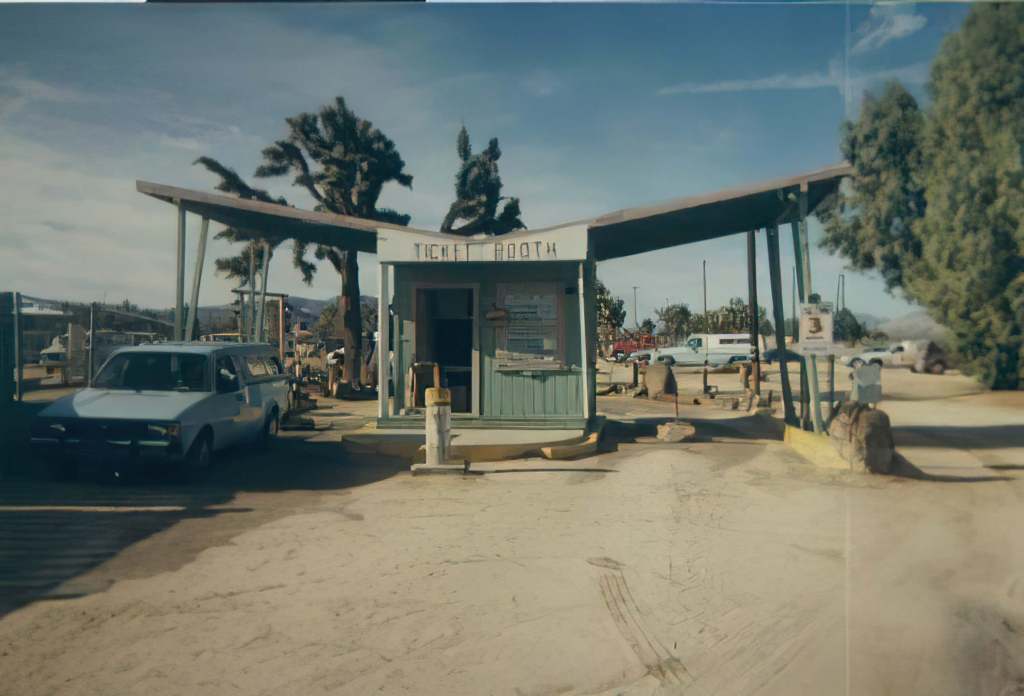
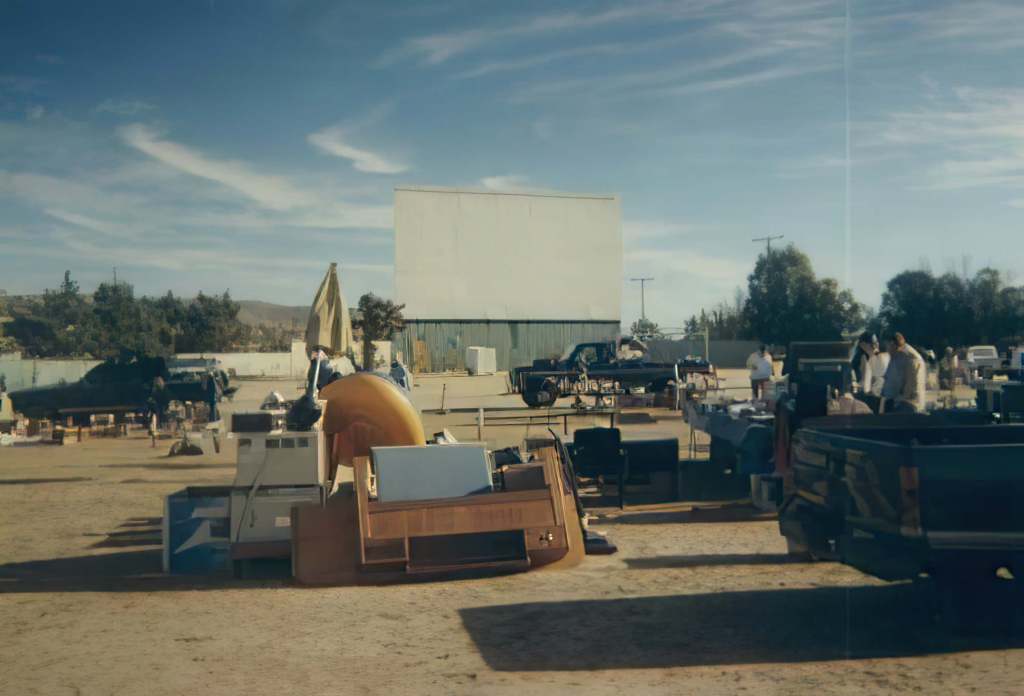
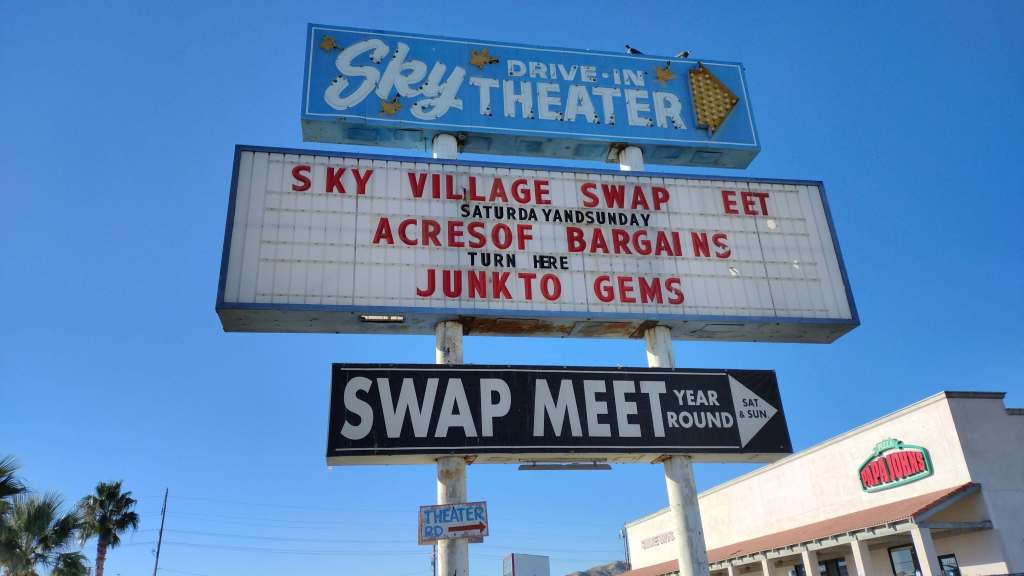
My mouth became slightly agape as I stared.
I had heard about the drive-in’s film from kids at school who had already seen it. Now that I finally got a real look at it, I wanted to see it, too. I was mesmerized.
There were dinosaurs, walking across the screen as if they had never become extinct. They looked completely real.
Rushing over to my parents, I asked, “Is that the new dinosaur movie?”
“Yes,” they replied. “But it’s supposed to be scary. You shouldn’t be looking.”
Pushing them further, I said, “What is it called?”
“Jurassic Park,” they said.
From that point on, I harassed my parents about seeing it for weeks. Even before I had seen the “unintended preview,” there had been endless commercials on TV advertising Jurassic Park’s toys and other merchandise. It was everywhere. Many kids at school already had plastic lunchboxes slapped with the film’s logo on them. As time went on, all my peers had already seen it (unless they were fibbing).
I already loved dinosaurs, but that shouldn’t have been surprising. Many kids love dinosaurs at such an age, but they were swiftly becoming my favorite topic. And now, thanks to the film’s enticing footage I had seen, the colorful toys, the engaging advertisements, and feeling left out of the conversation at school: it all felt like torture. It was peer and cultural pressure. After generating enough anxiety from it, I finally made my parents snap and take me to see it.

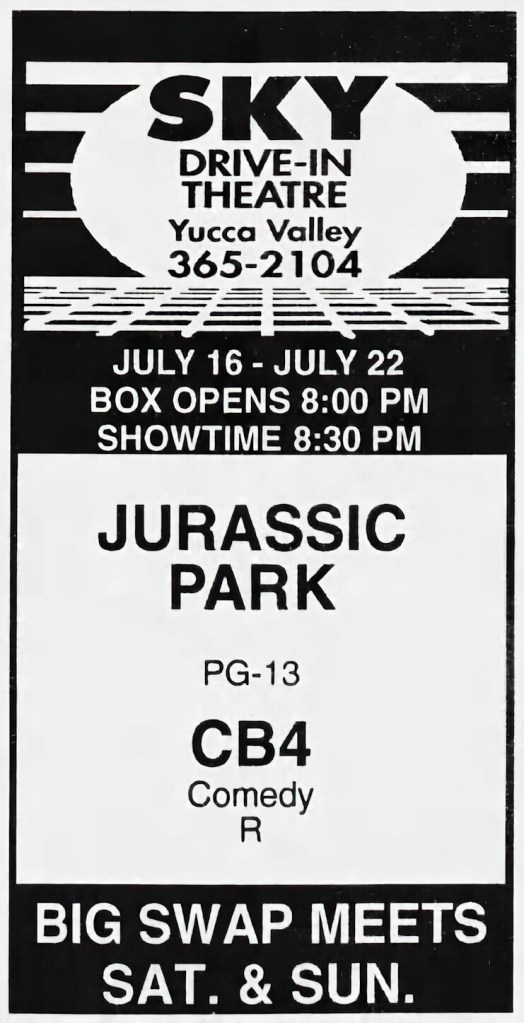
The film’s marketing tactics had worked, just as they were designed. It may have been a film for teenagers and adults, but they clearly wanted everyone to get a ticket. Why else would there have been so many products for kids my age?
But my parents had been right: it was scary.
Never before had I been so scared watching a movie. Sure, I was engaged with its story of cloning dinosaurs and putting them in a theme park; but it was intense. What did it for me was the Dilophosaurus (aka Spitter) scene. The film’s foe, Dennis Nedry, meets his grisly end by the dinosaur. But it had seemed so innocent and nice at first, until…FRILL OPENS, DINOSAUR ROARS, SPIT PROJECTS! NEDRY IS KILLED!
I lost my mind.
I had nightmares for a while. My parents were not happy about it, saying the age-old “I told you so” phrase many times. But then, an odd thing happened. The more I thought about the movie, and the scary moments kept replaying in my mind, I had a sort of fascination with it. It was alluring in its scariness in a way that seemed hypnotic. I talked about it a lot at school. I started wanting the toys, the McDonald’s cups, and other merchandise. I needed to know how they made the dinosaurs so real, so I even requested its “Making Of” book.

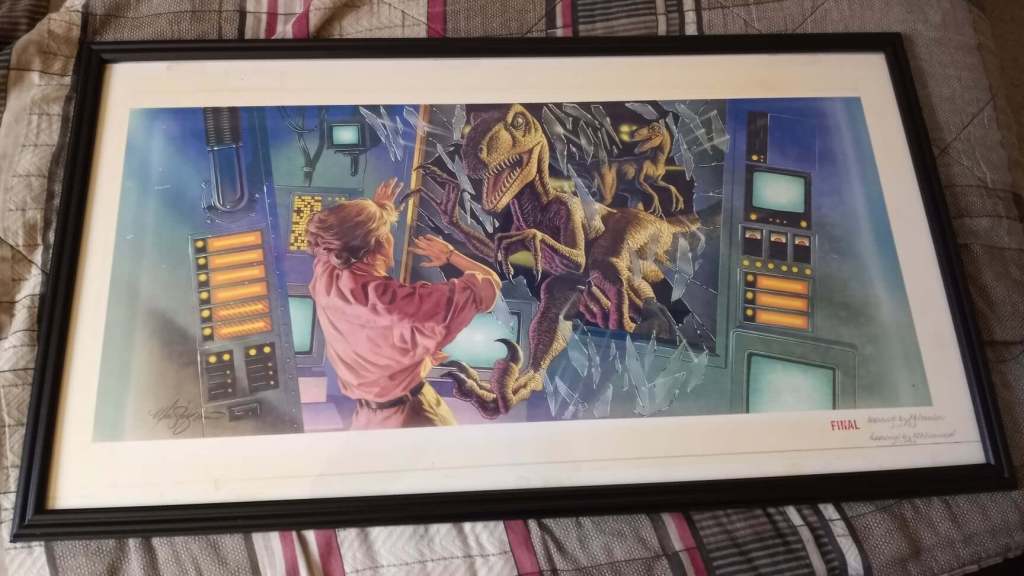
Eventually, I shocked my parents with a simple question: can I see it again? They couldn’t understand it. Like before, they eventually let me see it again thanks to my never-ending persistence, being the annoying child I was.
From that point on, I was in love. I got over my fear and just embraced the film as the grand adventure and cinematic marvel that it was. I was officially inducted into its craze, and extremely passionate about it.
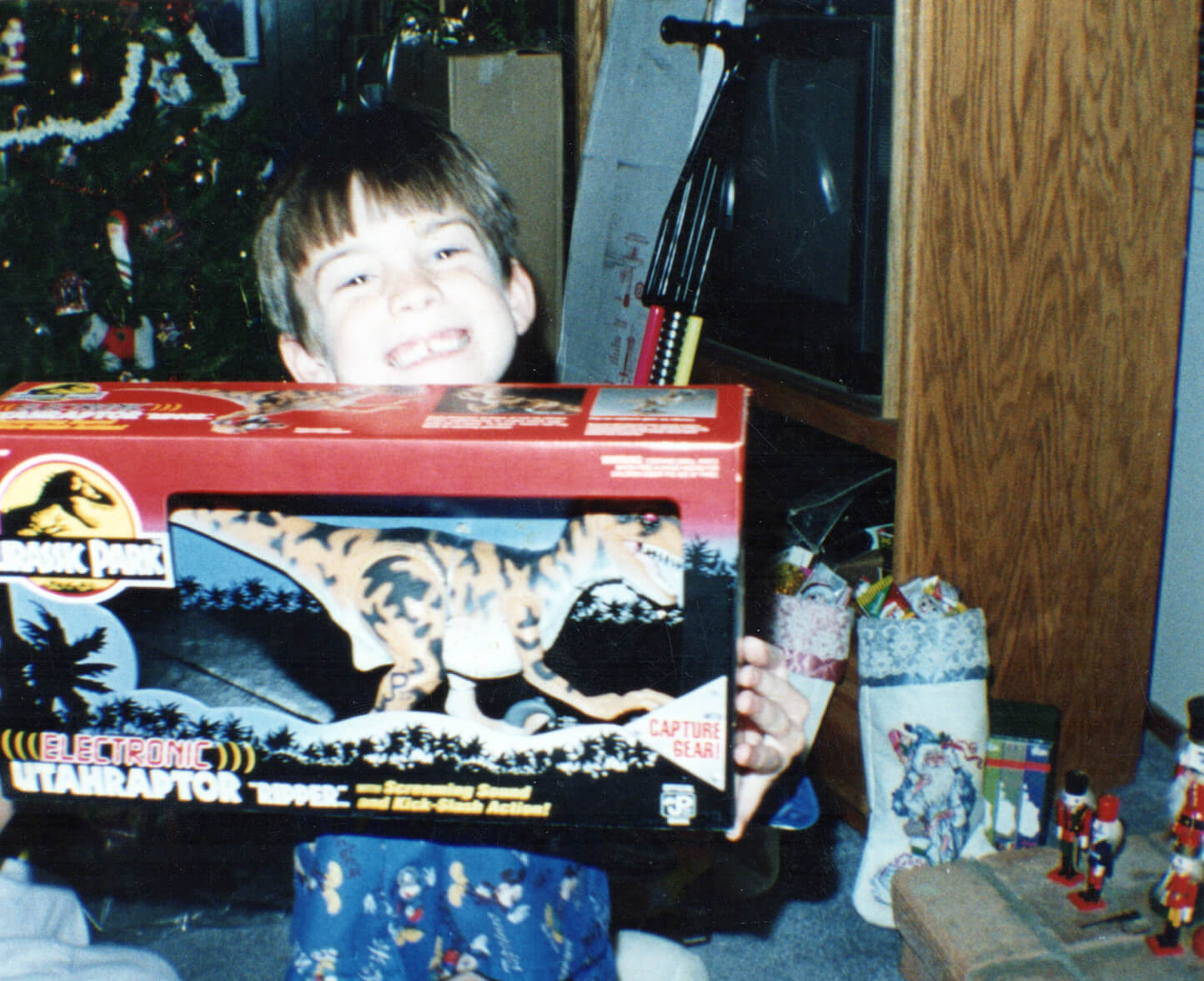

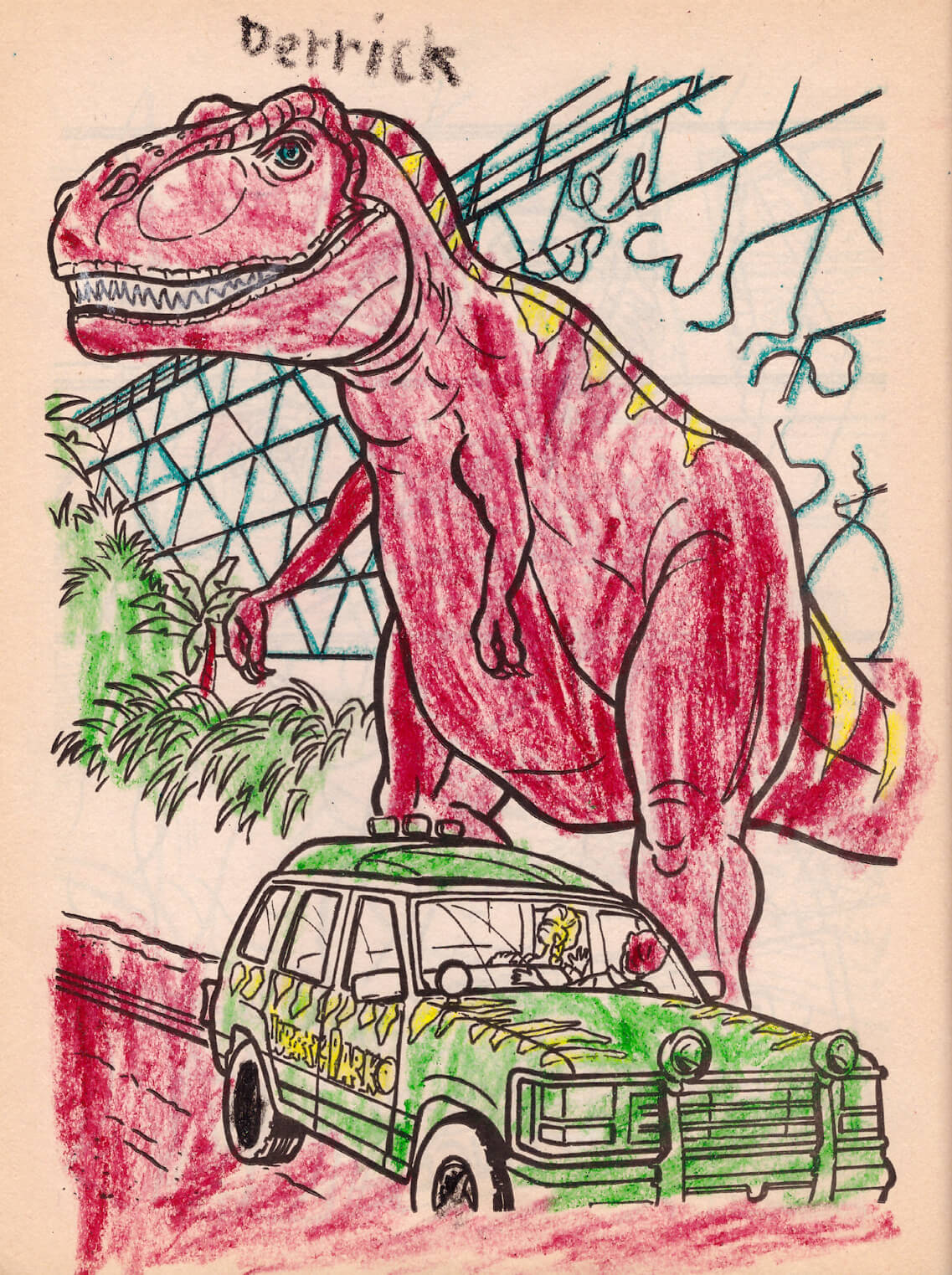
It became my waypoint for so much: dinosaurs, movies, science fiction stories, adventure stories, filmmaking, theme parks, writing, and more. I now jokingly refer to Jurassic Park as my “gateway drug” to everything I love today. In 1993, it was a consistent topic around everyone I knew. I was never popular in school, so when people wanted to talk to me about something I was into I’d soaked them up like a sponge.
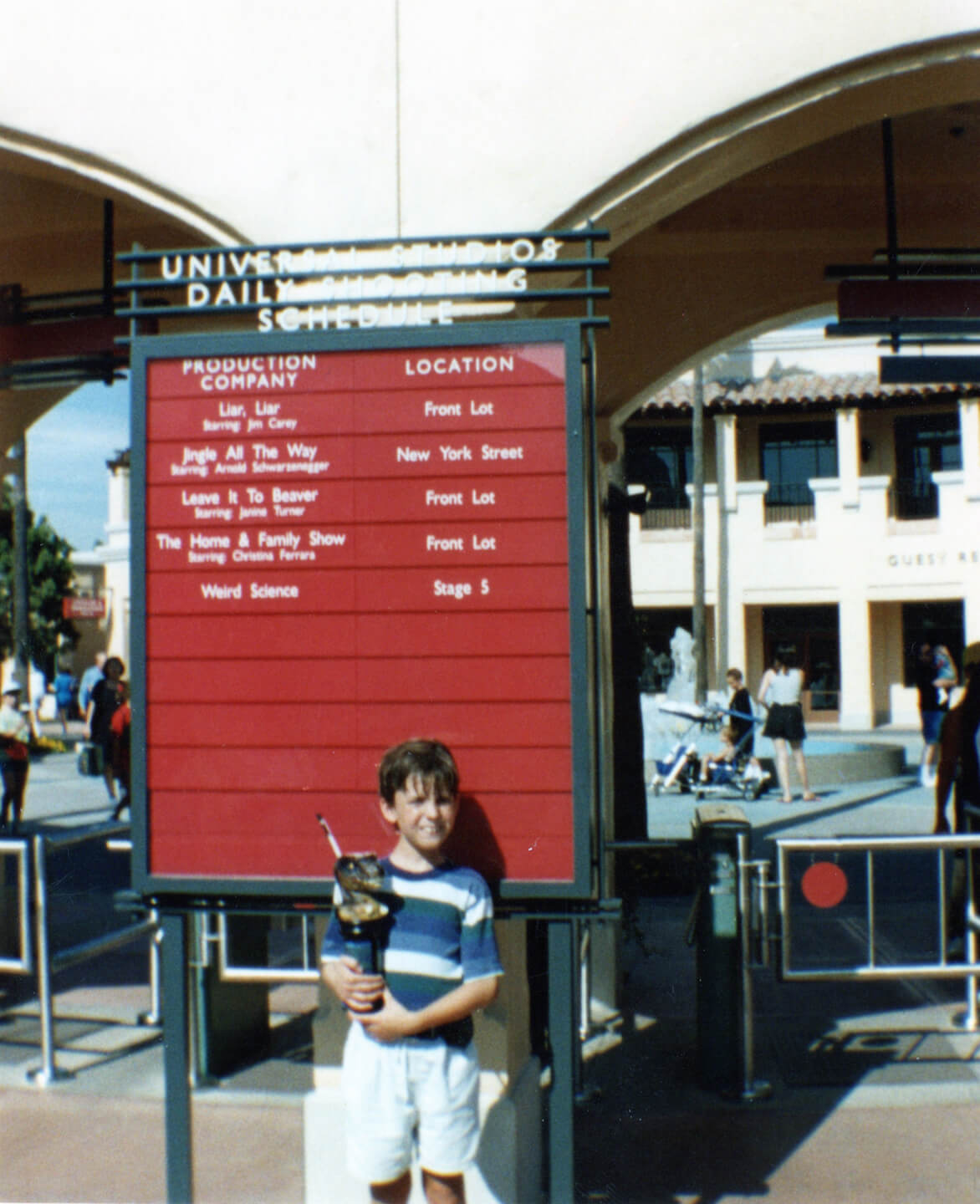
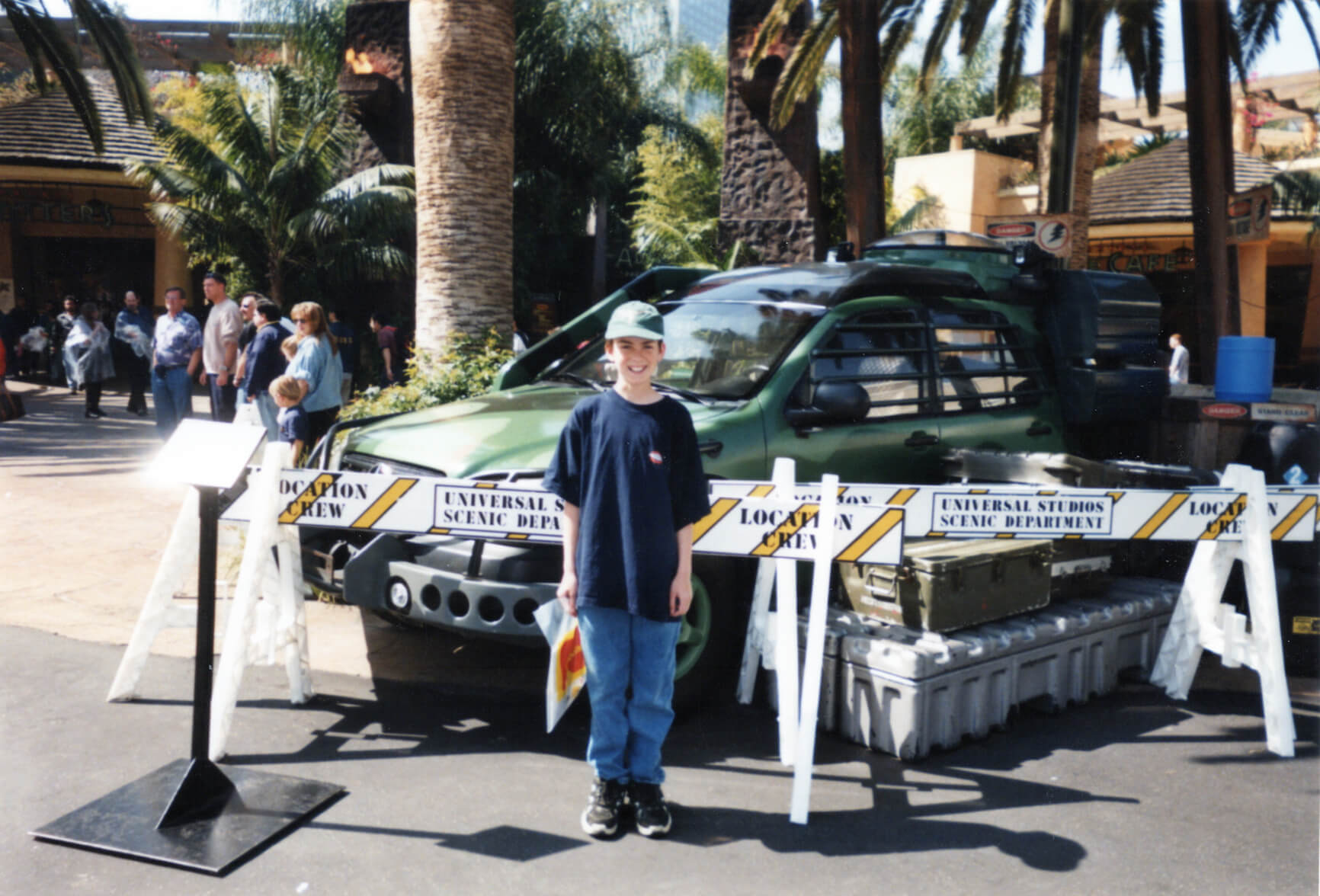
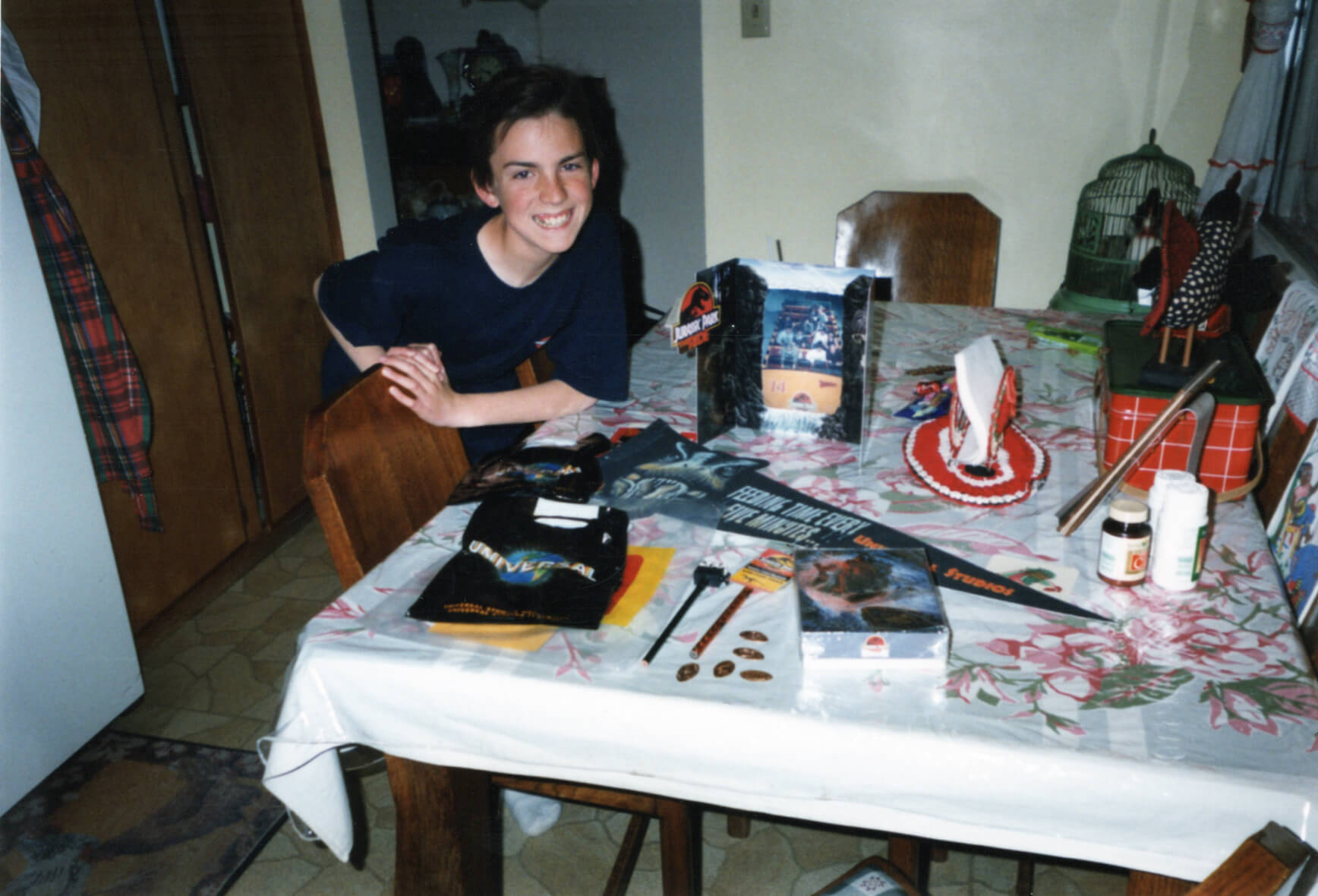
I should have known, even back then, that there can be too much of a good thing. Because eventually, all fandoms dissipate.
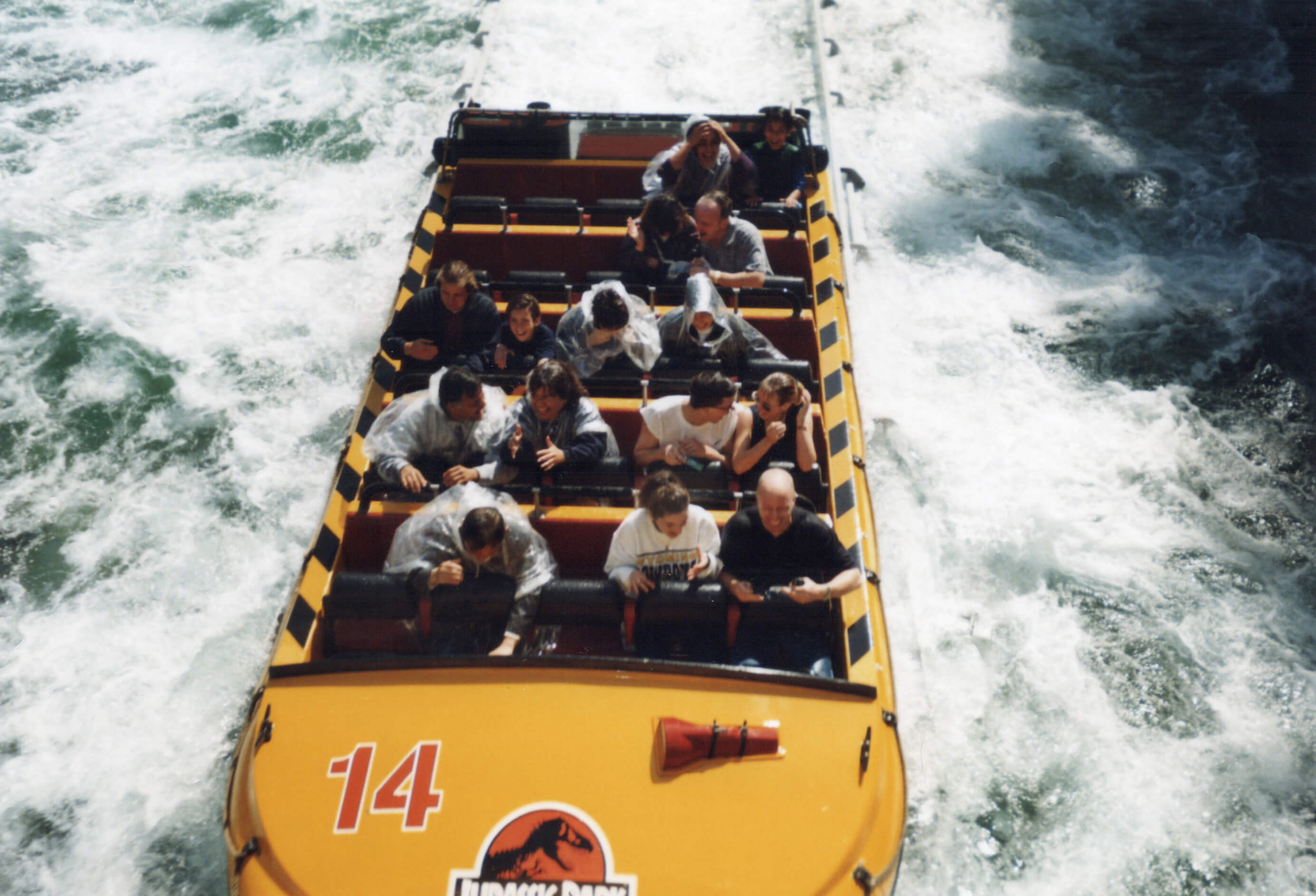
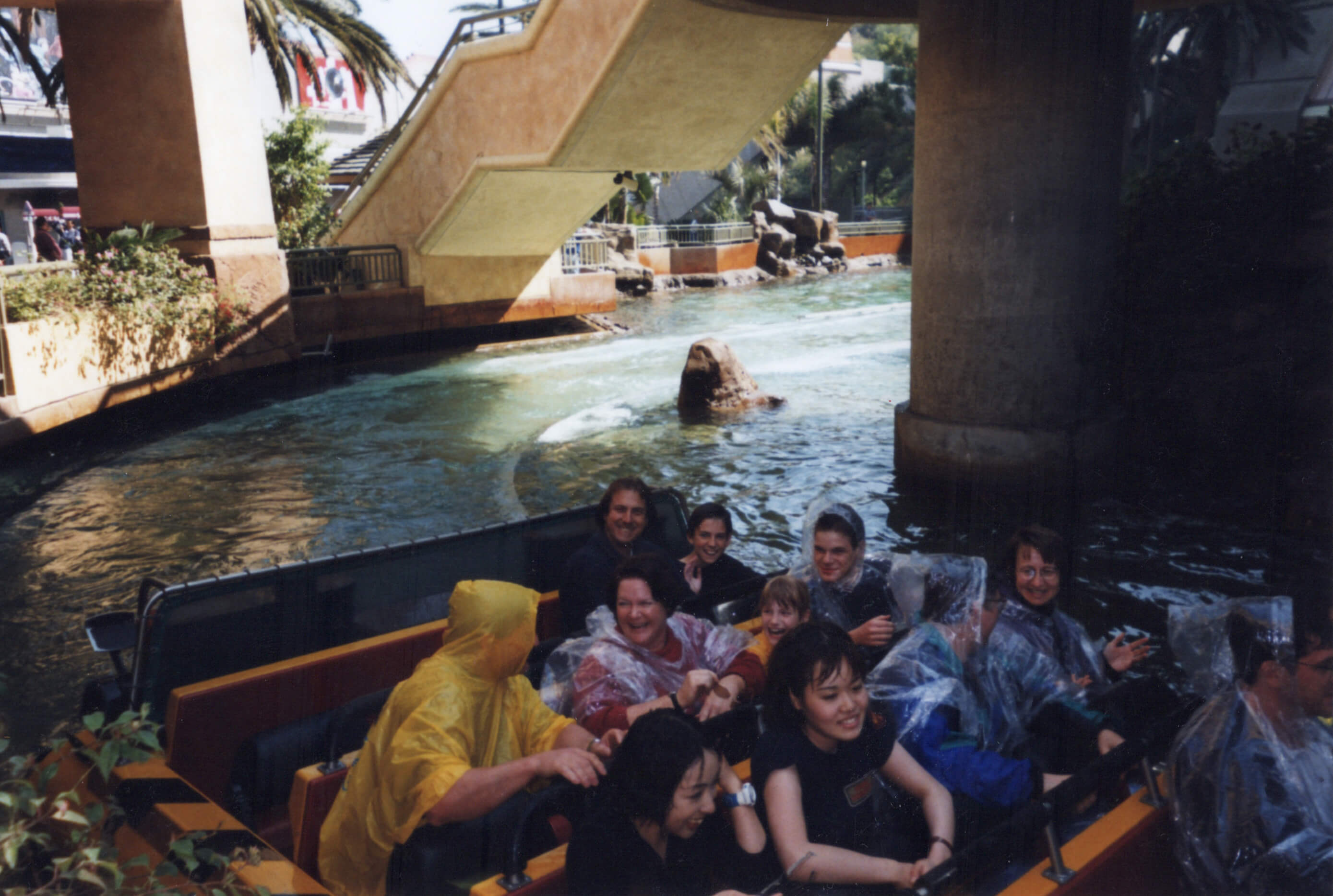
HOW NOT TO RAISE MONEY FOR COLLEGE
Within the years of Jurassic Park’s popularity, another craze had taken hold that I had also jumped on: Ty’s Beanie Babies. Yes, that’s right: the plush animals that became extremely sought-after due to the company’s genius tactic of “retiring” certain ones every year. This would send prices soaring for several of them, and parents saw it as a way to potentially raise money for their kid’s college funds and more. One may laugh at the idea now, but for much of the 90s, this fad had taken the world by storm.
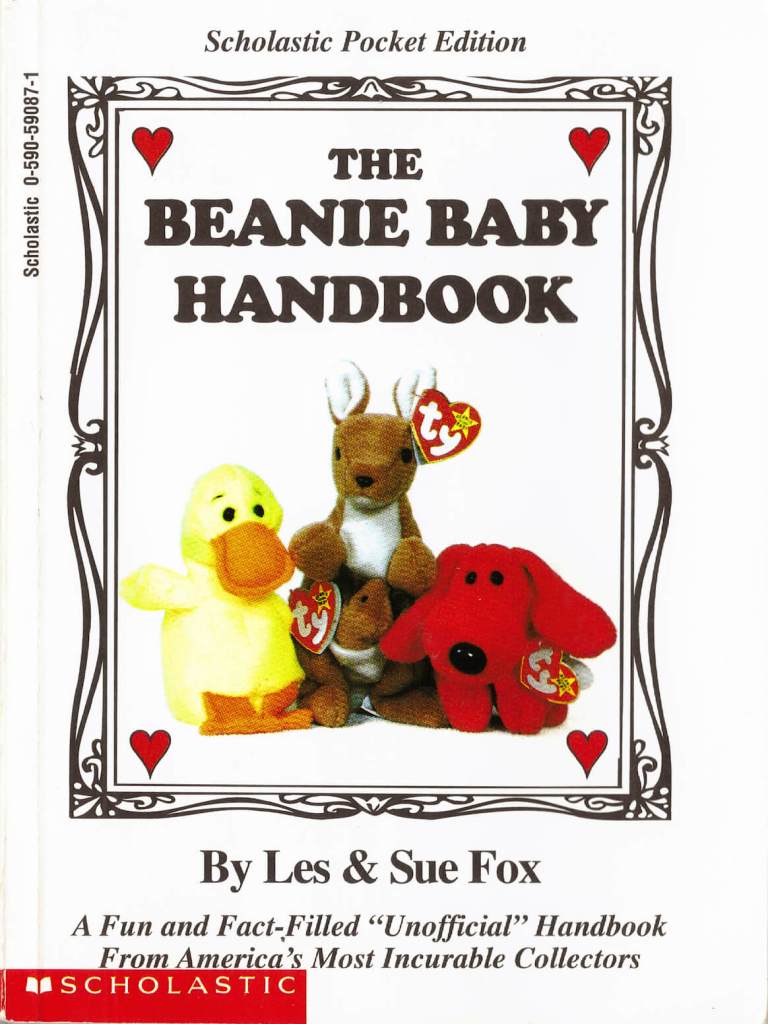
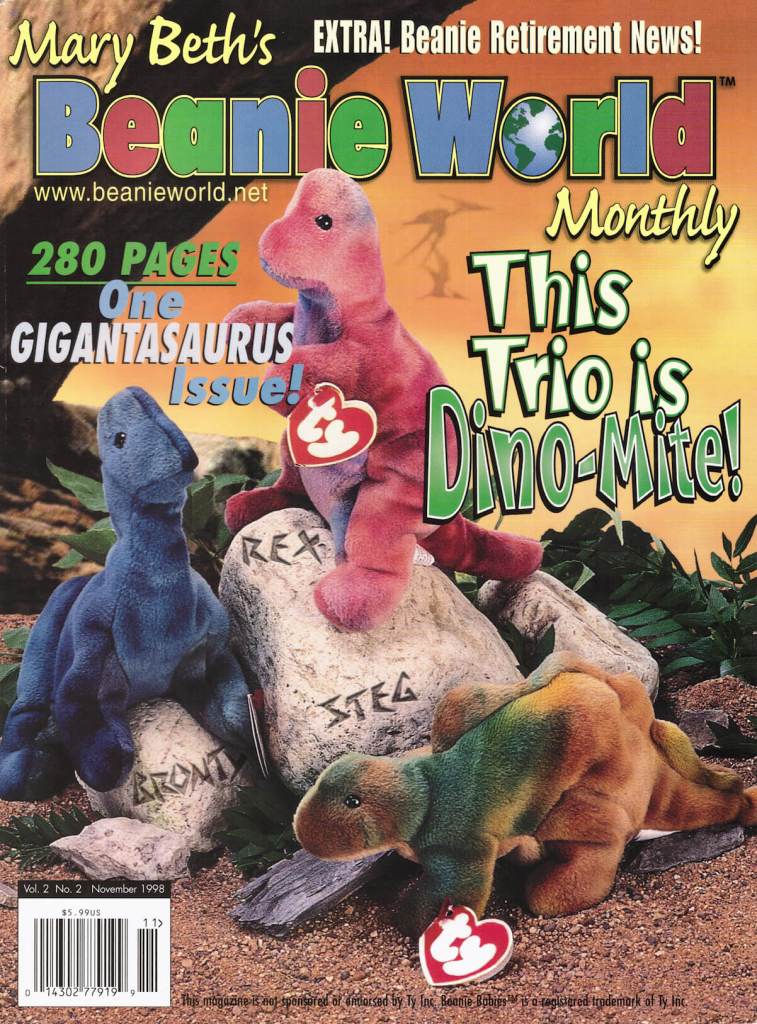
It was not like the typical fads, such as BlackBerry phones, fidget spinners, and Segways. Beanie Babies became a family obsession. It appealed to the collectors in kids and their parents, the desire of investment, and the personalities of the plush animals themselves with their heart-shaped name tags and cute poems. It was essentially a fandom, akin to the likes of collecting Pokémon, Barbies, and even Jurassic Park merchandise. The only difference was that it didn’t have a movie or show to anchor it. However, it did eventually get a McDonald’s tie-in.
Entire communities became involved. “Ma and Pa stores” that sold them began to have people queued for hours in advance of opening, as if everyone were seeing a concert or a movie. I remember standing in line with my mom for several of these eagerly anticipated selling events, where a limited plush would be gone in less than thirty minutes once they opened. Pop-up garage sales, swap meets, parties… events were happening everywhere.
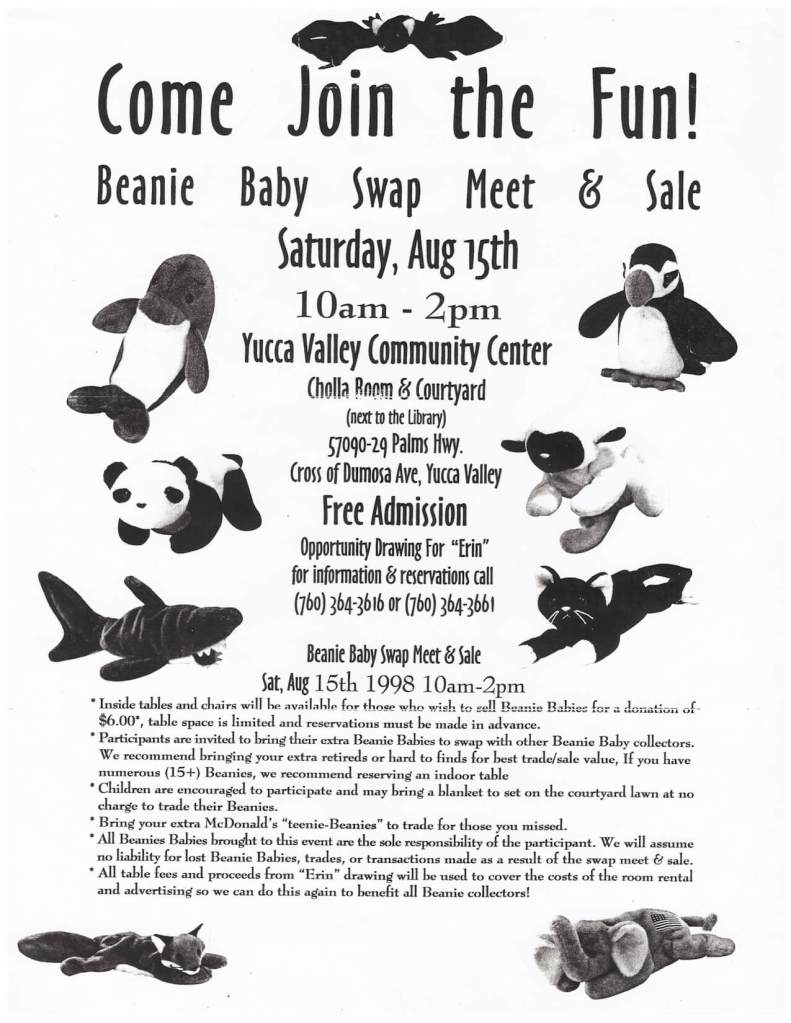
By the end of the 90s, however, the popularity of Beanie Babies suddenly plummeted. Their value swiftly decreased as a result, making the monetary aspirations for them extinct. Even today, people are left with hordes of these plush animals and can’t seem to get rid of them. No one really talks about them anymore, and when they do, it’s usually with a scoff. It was sad for me, since it was a fun way that my mother and I had connected. But it was thankfully easy to have Beanie Babies in my rearview mirror when Jurassic Park was still shining against my headlights.
NERDS UNITED

I became known as the “Jurassic Park guy” at school, which was fun during its sequel, The Lost World. But by the time its third film, Jurassic Park 3, came along… it became an old hat. The series had lost its steam with the general public, pushed aside by the likes of other franchises such as Star Wars. As a result, my continued discussions or mentions of it became filled with eyerolls or uninterest from everyone. This was an era where being a “nerd” wasn’t perceived as “cool” like it is today. I ended up seeking refuge on the internet.
Online communities were regulated to simple forums and message boards in the internet’s early days, but at least I felt like I belonged. Some of these forums had drama that developed on their own, but that’s the kind of story everyone knows at this point. Fandom toxicity is as common as sand. The real problem was that my entire identity at this point in my life revolved around Jurassic Park, and the only people who felt comfortable with it were pixels on a screen.
I was isolated while the physical world churned around me. I often stood alone waiting for my bus to arrive, as other children huddled together nearby. I would sometimes intentionally forget my sweater on cold days, just so I could feel something as I stood in the loading area every day. Damning emotions often flooded my teenage mind:
Beyond Jurassic Park, who would want to be around me if they didn’t like it as well? Even if they did, what else was there to say about me?
A MAGICAL REPLACEMENT
The same year Jurassic Park 3 came out a new franchise debuted on the big screen: Harry Potter. It flew in on its broom at just the right time as, unbeknownst to everyone, Jurassic Park’s films would go on a hiatus for fourteen years. The fact it took that long for a new entry proves just how out of touch it was with the cultural zeitgeist. No one was eagerly awaiting another film except for the same ragtag gang of fans I struck fellowships with online.
Harry Potter captured me in ways Jurassic Park did not. It was a much more character-driven fantasy story with sometimes intricate plots, dealing with dragons rather than dinosaurs. And unlike the former franchise, Potter was gaining popularity every year thanks to the continuous release of books, movies, and more. It became a nearly unbeatable cultural sensation that wouldn’t be defeated until the Marvel Universe gripped the world.
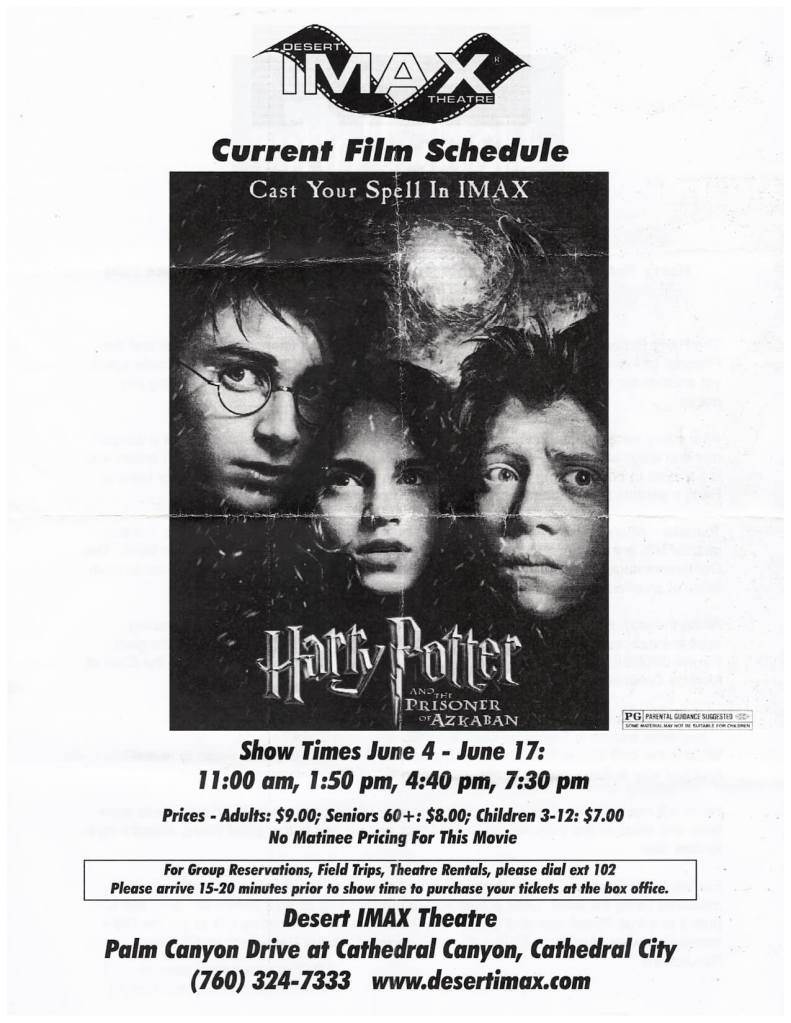
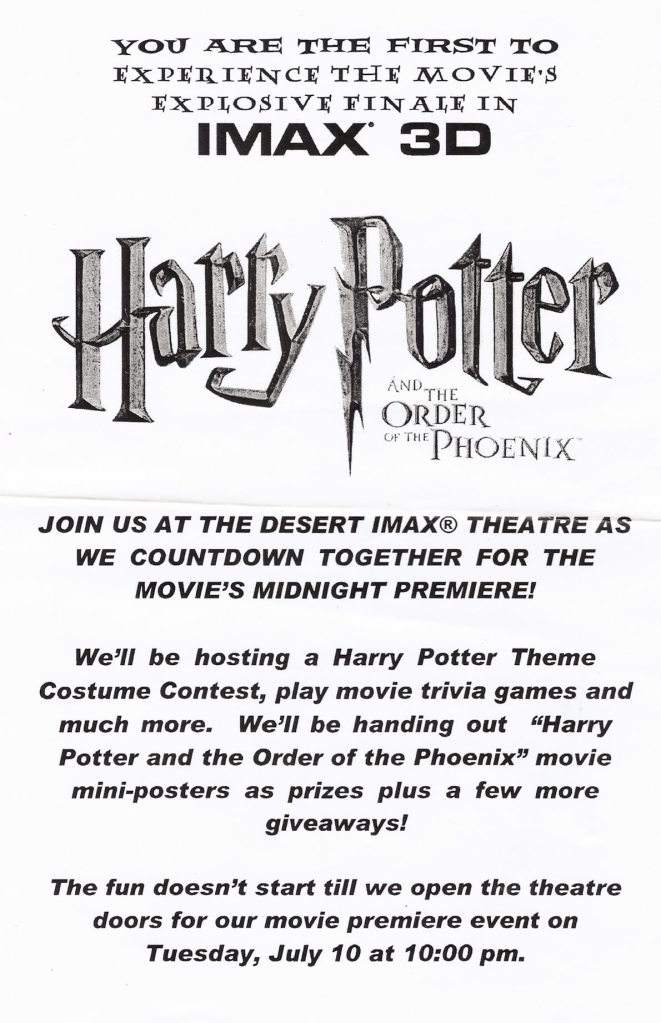
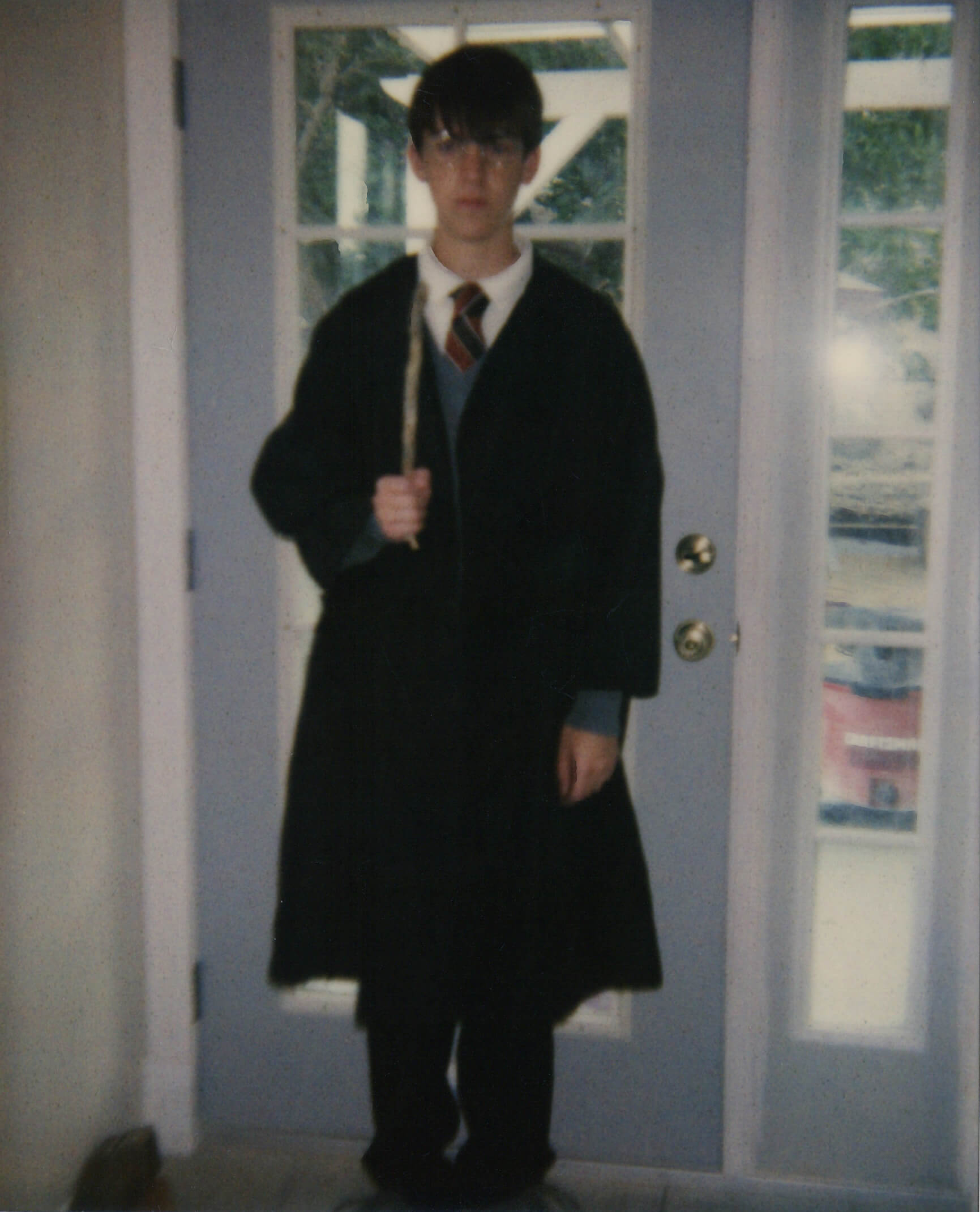
I became obsessed with all of it, just like I had been with Jurassic Park. In fact, from the second film onwards, I would dress up as Harry Potter for every local premiere screening. As time went on, I was usually not the only person to do so. I felt like I belonged again, but now I was in front of a movie screen instead of a computer. People began to forget, or never knew, that I was into Jurassic Park. It got buried into the back of my mind, essentially replaced.
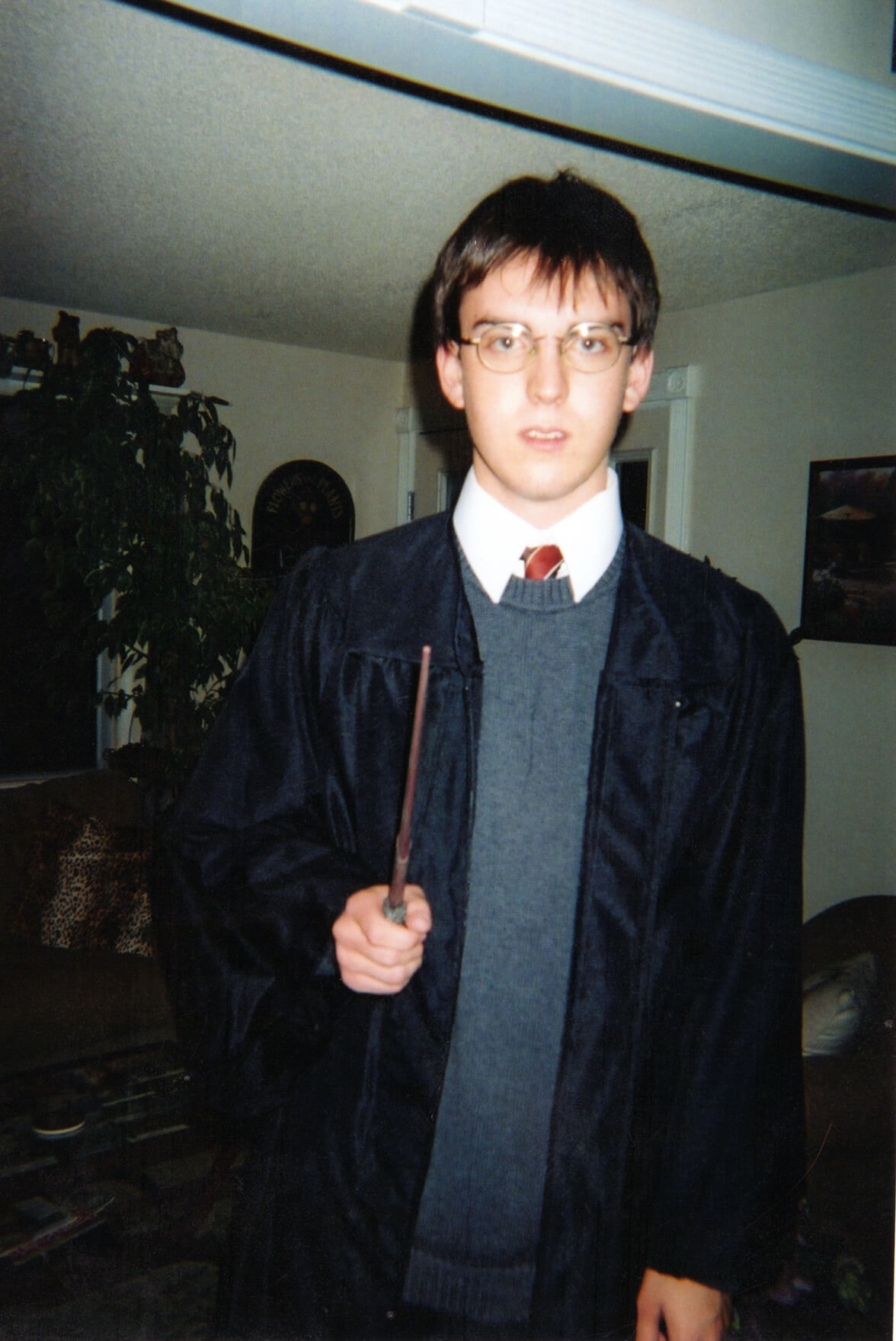
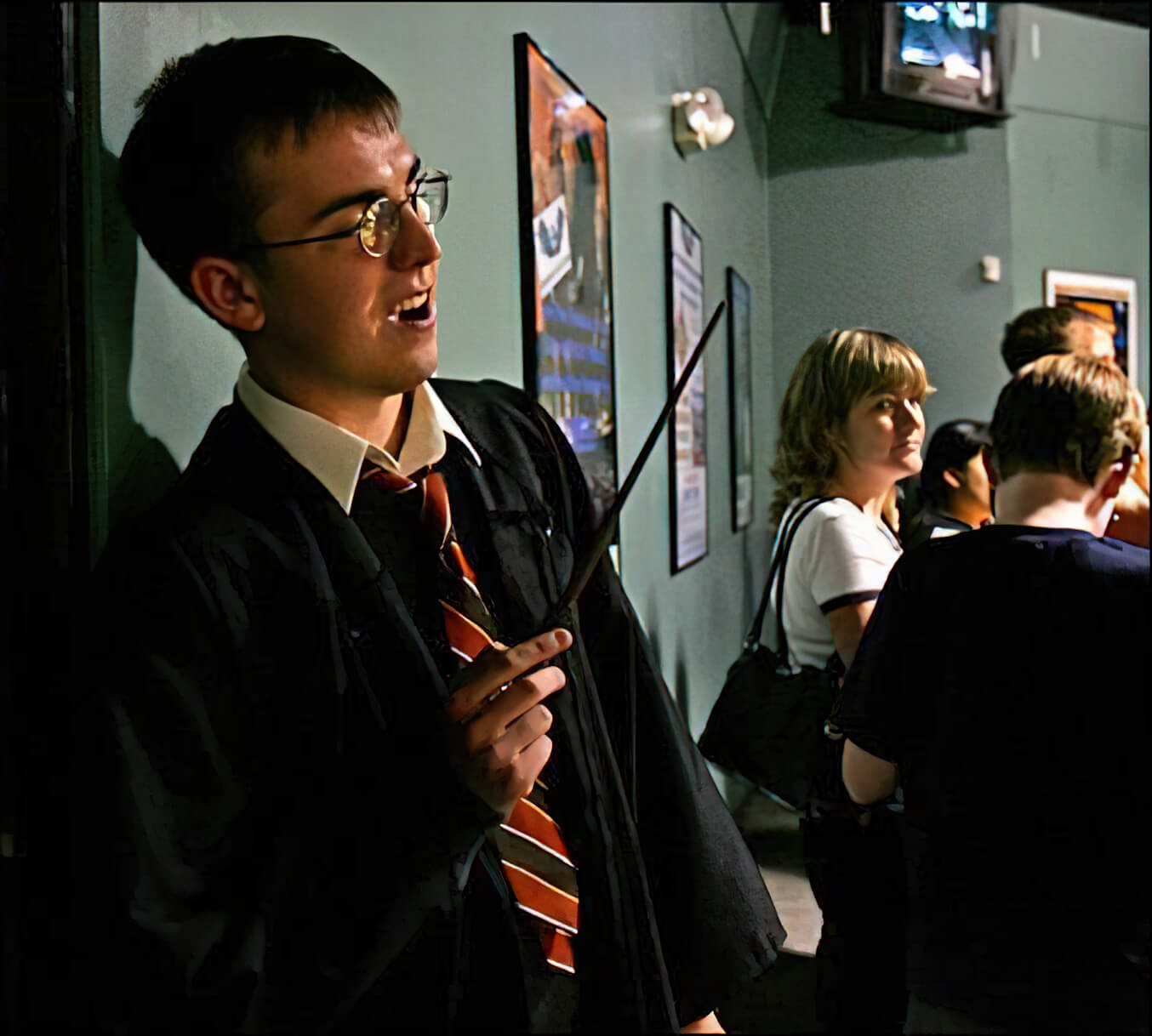

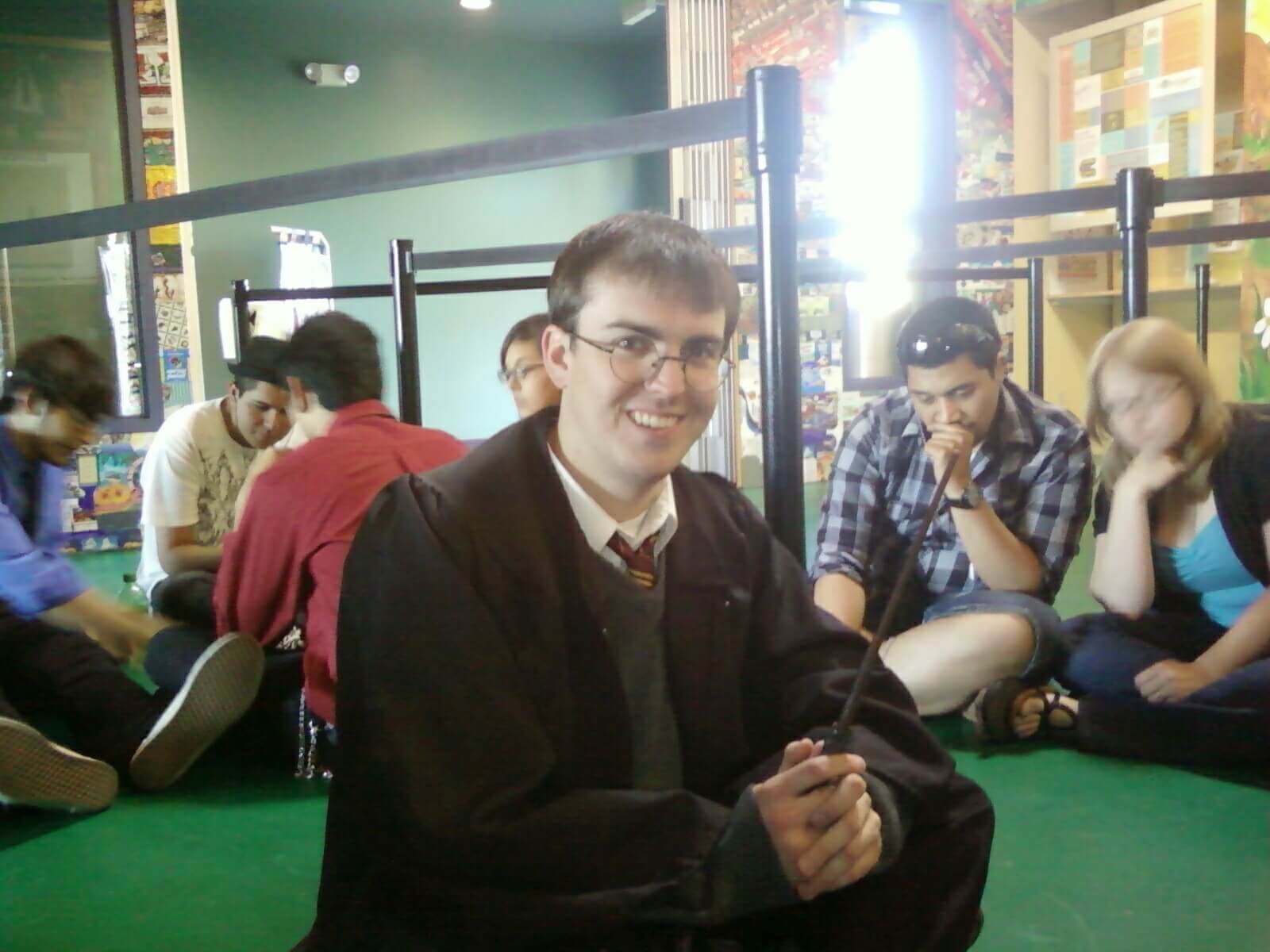
You would think that author J.K. Rowling’s recent loud opinions were when I faded out of the franchise, but it happened long before then. After I saw the final movie of the main series, Harry Potter And The Deathly Hallows – Part Two, I just felt done with it. The story was over. I had read it all, and I had seen it all. It felt finished in a way that Jurassic Park didn’t. There was a conclusion, a proper farewell. More importantly, I was now a working adult. Not to say that being a Harry Potter fan was childish, but it was part of my childhood. I was in the process of moving my life ahead, and not clinging to the past.
LOST IN THE WORLD
As I slowly eased Potter from my life, I was left with only myself. I dealt with working, dating, family… the usual things. But during this extended period of my life, I didn’t know who I was anymore. The fandoms I had clung so close to were gone. None of them served a purpose, and they were no longer my identity. All that was left was my empty husk, going about the day like a zombie looking for fresh brains; because it felt like I didn’t have a brain at all.
I was always on the computer, the only place left that I really knew anyone. In my younger days, while I obsessed over film fan theories that no one else cared about (even the writers and filmmakers), I had missed out on truly connecting with people who were physically around me. I couldn’t relate to anyone else at the time and I didn’t allow them to relate to me.
Now, as an adult, it simply remained this way. There was going to work, and then there was going home.
Having co-workers who are friends isn’t a bad thing. I’ve had several. Meaningful relationships can be obtained through work, but it’s hard. Especially once someone leaves the job. The job was the easy, convenient way to see them. Without it, making time is harder. Not only that, it’s also usually true that one of the main talking points with co-workers is work itself: the drama of it all. Without it, there is a lack of commonality. After all, would most people in any job be together if it wasn’t because of it? Perhaps jobs share uncomfortable similarities with fandoms.
I felt isolated most of the time, depressed. Everything I did felt like it lacked reason or drive. Some of these feelings came about for other reasons, such as struggles to get a real career. But they stemmed from a lack of proper social skills. I could confidently sell someone a t-shirt without having any fashion sense at all but couldn’t carry a casual conversation without getting nervous. I’d break at the seams. If I hadn’t sheltered myself and only focused on things I had been obsessed with, then maybe I would have had a far easier time. The worst thing was that I kept to the same routines and didn’t make any real effort to change them.
But finally, after several years, an old distraction returned.
This article was written & assembled by Derrick Davis on June 14th, 2024 exclusively for Derrick Davis Media. Most photographs are taken by Derrick, however some got put into the mix from other sources. If any photos came from you, and you’d like credit, please reach out!
 Derrick Davis Media