

Go behind the camera of Bryan Cranston’s 1999 film that jolted a quiet California desert community—and the family who became part of its story.
– Part One –
Watch a trailer for ‘Last Chance’ (1999), a film by Bryan Cranston. Trailer created by Derrick Davis.
“It’s more important to have a dream than to achieve a dream.” – Bryan Cranston [1]
* * *
My life is not where I want it to be.
It’s a hard thing for me to admit, but it has been the truth for some time. That’s not to say my life has consisted of nothing. After almost 40 years, a lot has happened. There have been plenty of forks in the road of career paths, relationships, family dilemmas, and even a pandemic. I’ve taken many chances but sitting here now I wonder if I took enough of them. Is my life still on a positive path forward, or have I strayed so far that I can’t see the chance for something better anymore?
A BIG DREAM IN A SMALL PLACE
I dreamed of becoming a filmmaker ever since I was six years old when Steven Spielberg’s blockbuster ‘Jurassic Park’ exploded into theaters in 1993. Despite its wondrous and often terrifying premise—bringing dinosaurs back to life to put in a theme park—the film told a captivating story that was so expertly crafted that even kids my age understood it. While the conversation at the time was about the film’s amazing special effects, I was more interested in how to make stories just like it.
I soon learned about directors and how they would bring films to life from the script to the screen. It felt magical, but I didn’t fully grasp just how complex the job really was—despite going to Universal Studios Hollywood several times. Regardless, I made it quite known to my friends, family, and teachers that I wanted to be a film director. I even “directed” several little films with my ‘Jurassic Park’ toys in juvenile attempts to get a taste of the profession.


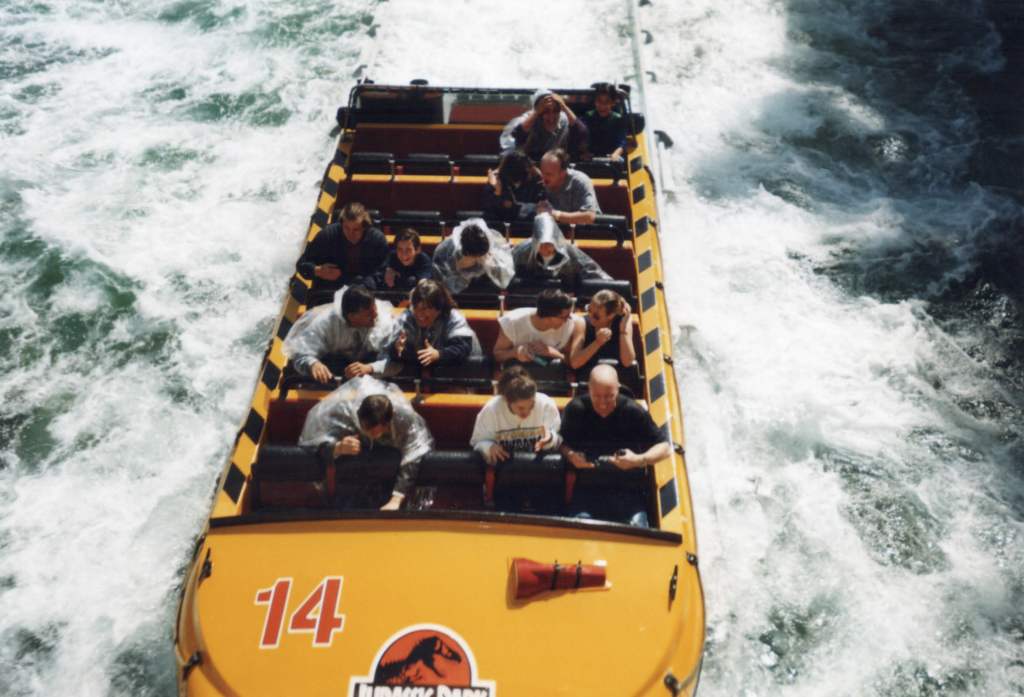
Five years later, I would unexpectedly gain firsthand experience of what filmmaking was truly like. It would be one of the last adventures my family ever went on.
I grew up in the small town of Yucca Valley, California. It didn’t have much back then: a small movie theater, a few parks, mostly small businesses, and a whole lot of desert. Some could argue that not too much has changed. It’s directly beside the world-famous Joshua Tree National Park and the equally famous Pioneertown.
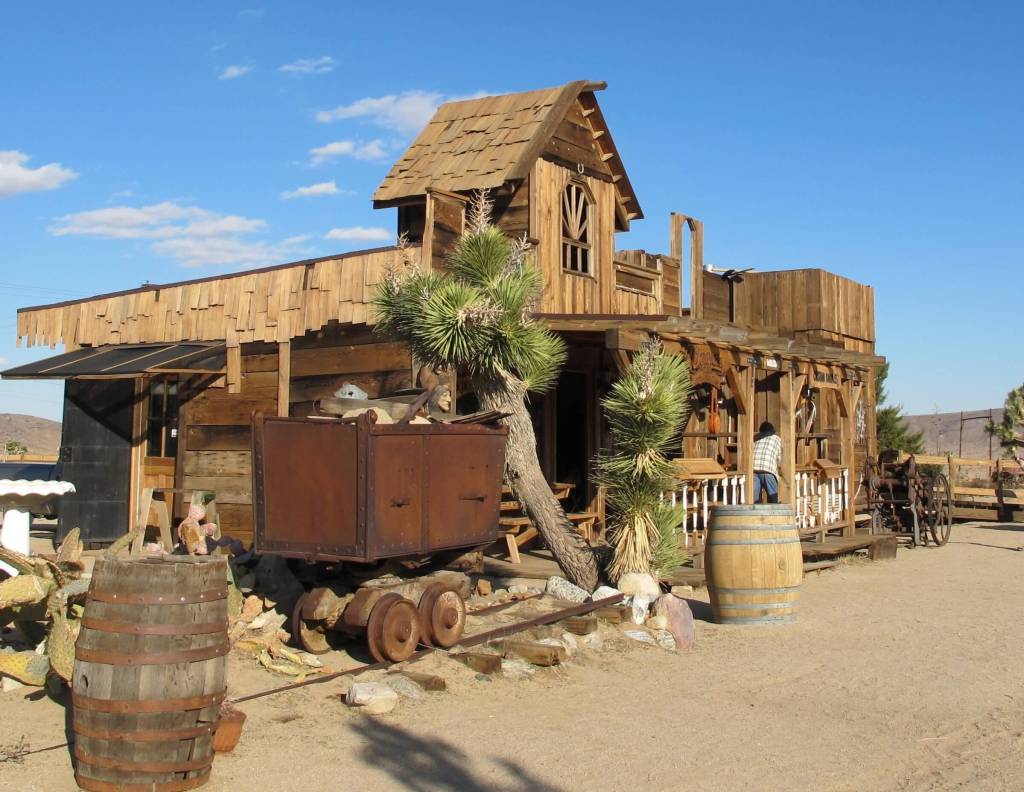
Photo by Nightowl.
Established in the 1940s, Pioneertown is known for its elaborate Old West-themed movie set. Constructed along “Mane Street,” it became a popular filming location for hundreds of films and TV shows. Despite Westerns becoming quite out of fashion in the film industry, Pioneertown became a fully functioning tourist destination that still has commercials, music videos, and other projects being filmed there to this day.
And in July of 1998, Pioneertown was the prime location for the small film production of ‘Last Chance’: written by, directed by, and starring Bryan Cranston.

“Hal Wilkerson” from ‘Malcolm In The Middle’ & “Walter White” from ‘Breaking Bad’—these two roles alone have cemented actor Bryan Cranston in our pop culture. And while you may know him from big projects like those, my memory of him is before most of them. In what may be a cruel twist of fate, his art ended up imitating my life.
BRYAN CRANSTON’S STORY
Cranston’s career up until that point had mostly been small roles in television productions like ‘ChiPs,’ ‘Matlock,’ and ‘Walker, Texas Ranger.’ But his most notable roles were in ‘Seinfeld’ and ‘From The Earth To The Moon.’ He also appeared in Steven Spielberg’s intense war drama film ‘Saving Private Ryan.’
But the creation of Cranston’s film, ‘Last Chance,’ allowed him full control to tell his own story, not just act in one. His film’s premise is described as the following:
At the dilapidated Last Chance cafe in the California desert, a woman living without a dream meets a man who lived by his. They could destroy what was, and discover what could be, depending on the choices they make when faced with their Last Chance. [2]

The completion of the script for ‘Last Chance’ is actually a bit romantic. “I intended the movie as a kind of love letter, a [birthday] gift, to [my wife, Robin Dearden],” Cranston reveals. [1]
Bryan Cranston met Robin Dearden in 1984 while working on the television show ‘Airwolf.’ He portrayed a villain, and she played his hostage. They dated over a year after their initial meeting, marrying in 1989. [1] Dearden had acted in numerous television shows including ‘The Incredible Hulk,’ ‘Knight Rider,’ and ‘Murder She Wrote.’ Her most notable role had been in the soap opera ‘Generations.’
“I wrote a character [in ‘Last Chance’] I could imagine her sinking into and exploring,” Cranston recalls. “I loved the idea of collaborating with her, creating something together. I knew she could give a poignant, riveting performance.” [1]

Dearden’s character in the film was her meatiest role yet—the protagonist, “Lauren Benson.” She is the owner of the Last Chance Cafe & Motel of the film’s namesake.
“[Lauren] was a woman who felt powerless and without choice in her life. She’d been buffeted by disappointment, so she’d lost hope,” Cranston reveals. “She was married to my character, ‘Lance,’ a high school football star whose best days were behind him, who never made good on his potential, an underemployed, immature man-child. Perfect role for me. They lived in a remote section of the California desert, the fringe of the fringe, and my character always leaned on his small town’s lack of opportunity to justify his inability to succeed or move forward.” [1]
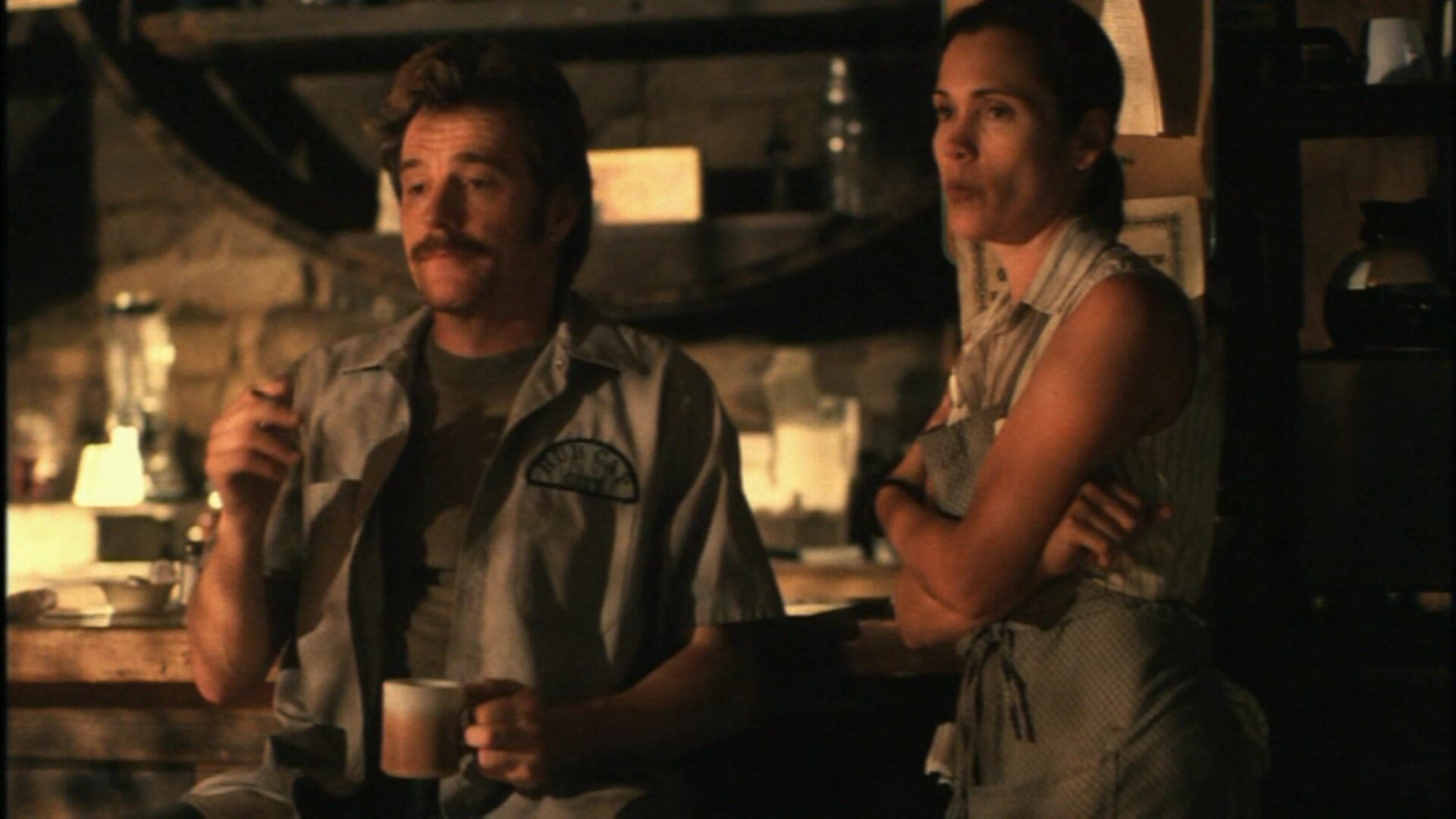
A warning for spoilers from this point on, in case you’d rather see the film first. (Available on DVD & at Tubi).
Coming between the fictional couple is “Sam,” played by Tim Thomerson—a drifter, and once prominent writer, who finds himself at the Last Chance Cafe & Motel after his big rig truck breaks down.
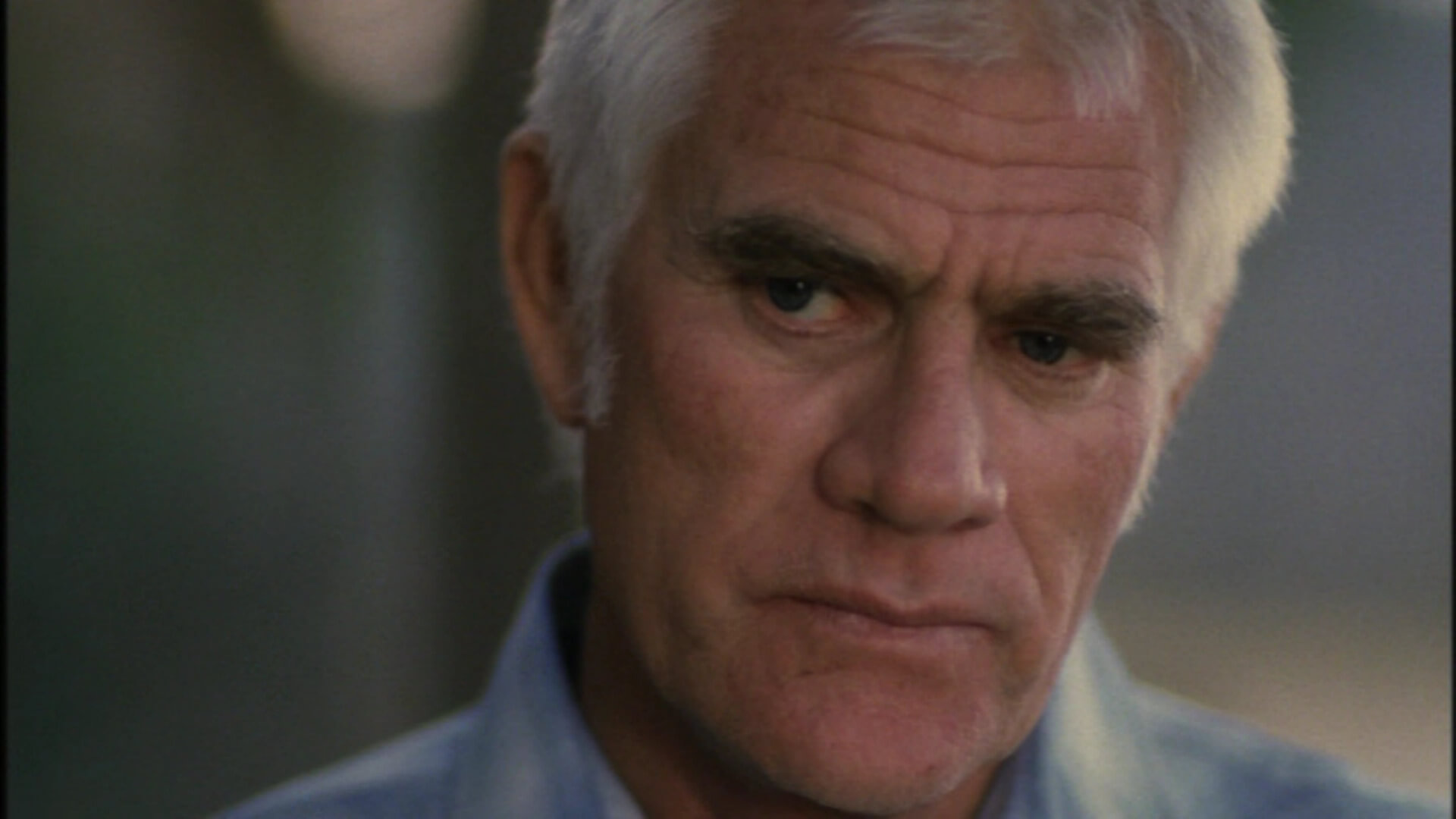
“[Sam’s] an artist, he’s a writer, he’s about living large,” Cranston details. “[Lauren’s] about responsibility, obligation. In the end they both are right and they both are wrong.” [3a]
Sam’s arrival coincides with a series of events that forces both him and Lauren to reconsider their lives. One of those is Lance’s ultimate betrayal: cheating on Lauren with her sister, “Ava,” performed by Amy Hathaway. It is after this affair that the story focuses on Sam and Lauren’s internal struggles, along with their own blossoming romance.

Cranston reveals, “I like the idea of wondering why people make decisions that they do. Where they want to live, who they want to live with, when do they choose to make a change; if they do, if they don’t. So, I wanted to create a story that gave all these characters virtually an opportunity to change their lives if they wanted to. And some do and some don’t. That fascinated me just, you know, mere observation of people in a relatively simplistic life. And as it turns out, in the end, we see that some people do take advantage of that and some never learn. So, it was curious to me. And just human behavior.” [4]
THE HI-DESERT
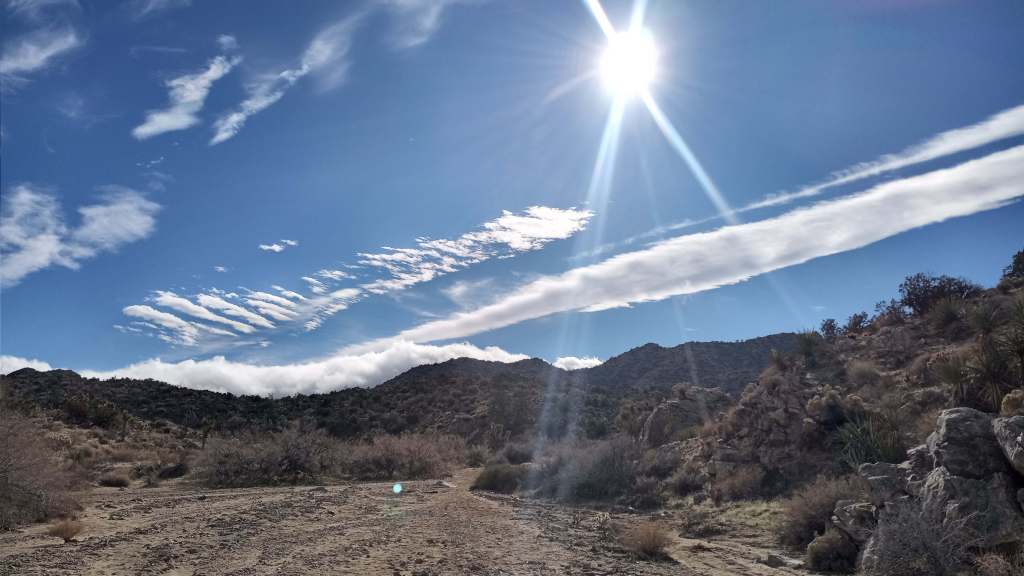
The film’s small town desert locale was not some random choice but from a clear inspiration.
“I have always been intrigued when traveling through rural areas about how people get to where they are living,” Cranston recalls. He wondered “how people who live in small towns found their way there.” [3a]
Well, he could have asked my family if he had known us sooner.
My parents grew up in the “Hi-Desert” area of Southern California, thanks to their family’s involvement in the military, stationed out at the Marine Corps Air Ground Combat Center in Twentynine Palms. When they became adults, they ventured out of the area for a while, until ending up in nearby Yucca Valley, due to family ties and special opportunities. They weren’t really into the big city environment and believed that Yucca Valley would be a nice, quiet area to raise their own children: me and my sister.
But when ‘Last Chance’ began filming in Pioneertown, the Hi-Desert area became a bit noisy. We heard talk that filming was going on at Pappy & Harriet’s—a famous, rustic restaurant and live music performance venue along Pioneertown’s Mane Street. The restaurant had been drawing in large crowds and well-known performers since 1982. It was also not far from the Pioneertown Motel.

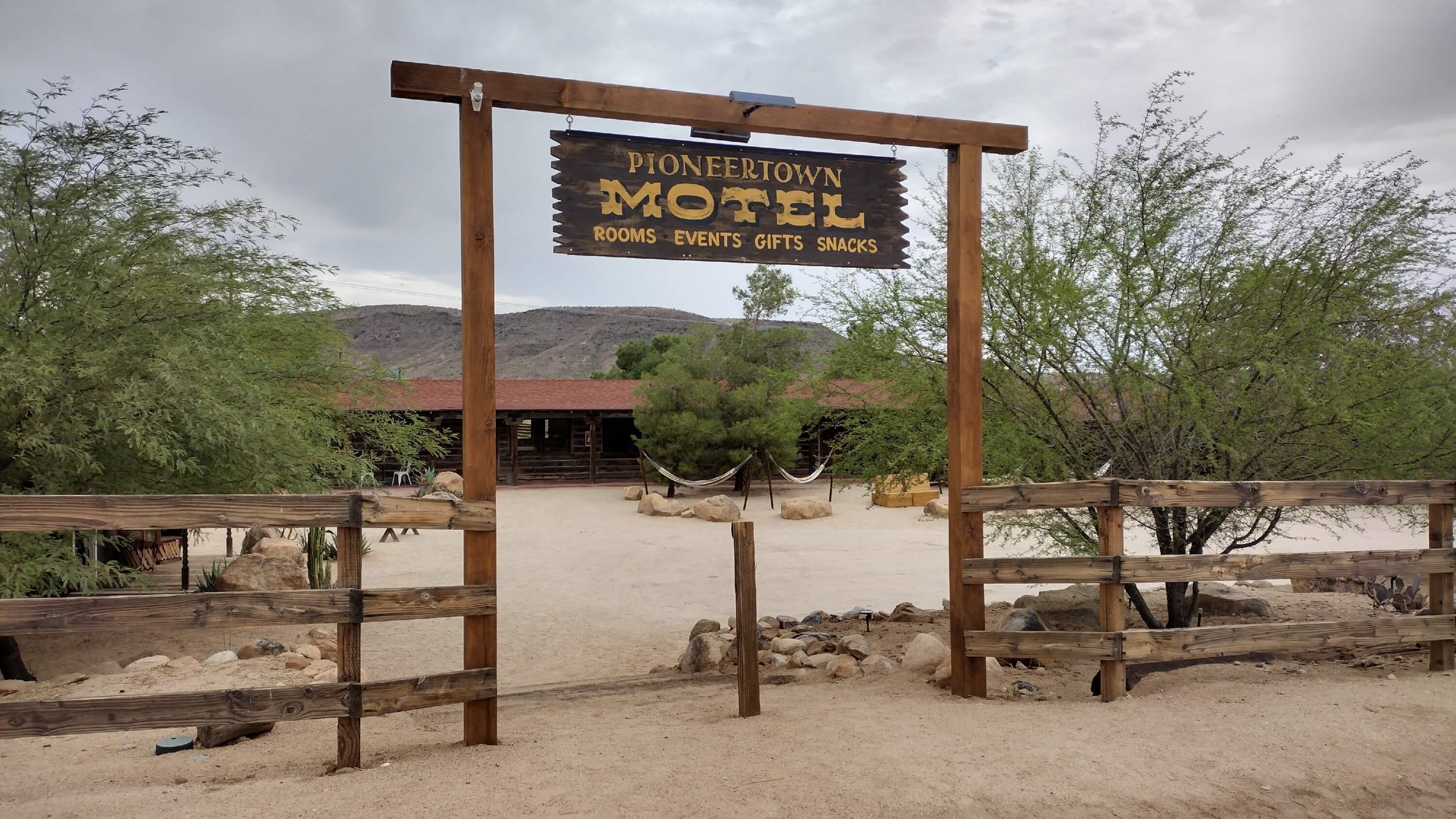
Cranston explains how the restaurant and motel were perfect for the film’s tight budget. “We bought out the entire [Pioneertown] Motel and that was where the actors stayed for the entire 3 weeks that we were shooting there. That was their rooms. And then we also got to shoot in the rooms because we needed a motel in the story. Same thing with Pappy and Harriet’s. I made a deal with Harriet saying, ‘Listen, I will pay you for the catering if you let us shoot in here.’ And virtually we shot in there for free during the day, which is a good deal.” [4]
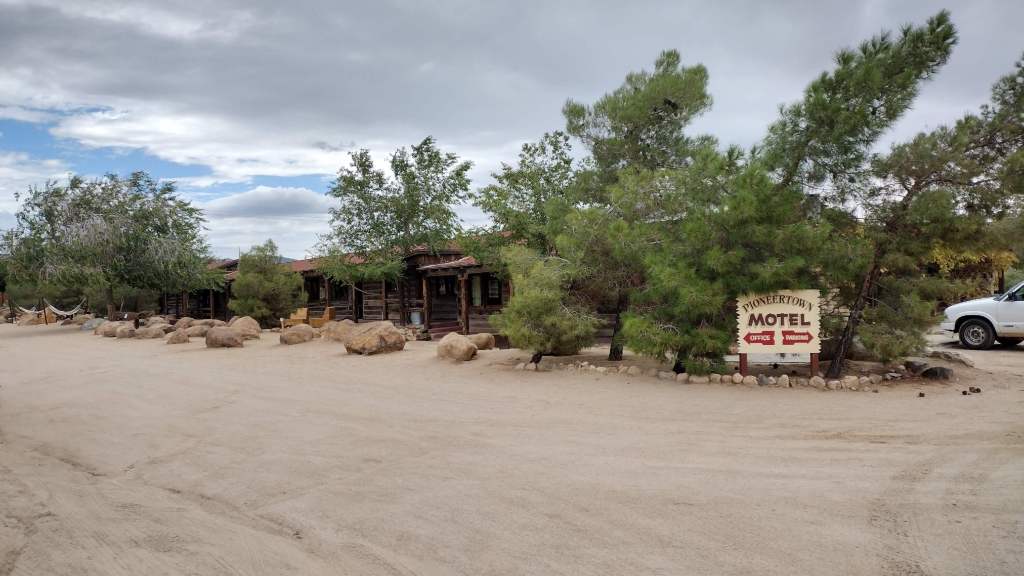
With a production budget of about $300,000, Cranston had to economize in every way that he could. Even in 1998 that was a tiny budget. And thanks to some unanticipated delays, Cranston and his crew had to film in the desert during the extreme heat of July. [1]
Bill Timoney, the associate producer of ‘Last Chance,’ comments, “We got a great break on the motel because who goes out to the desert in July?” [4]
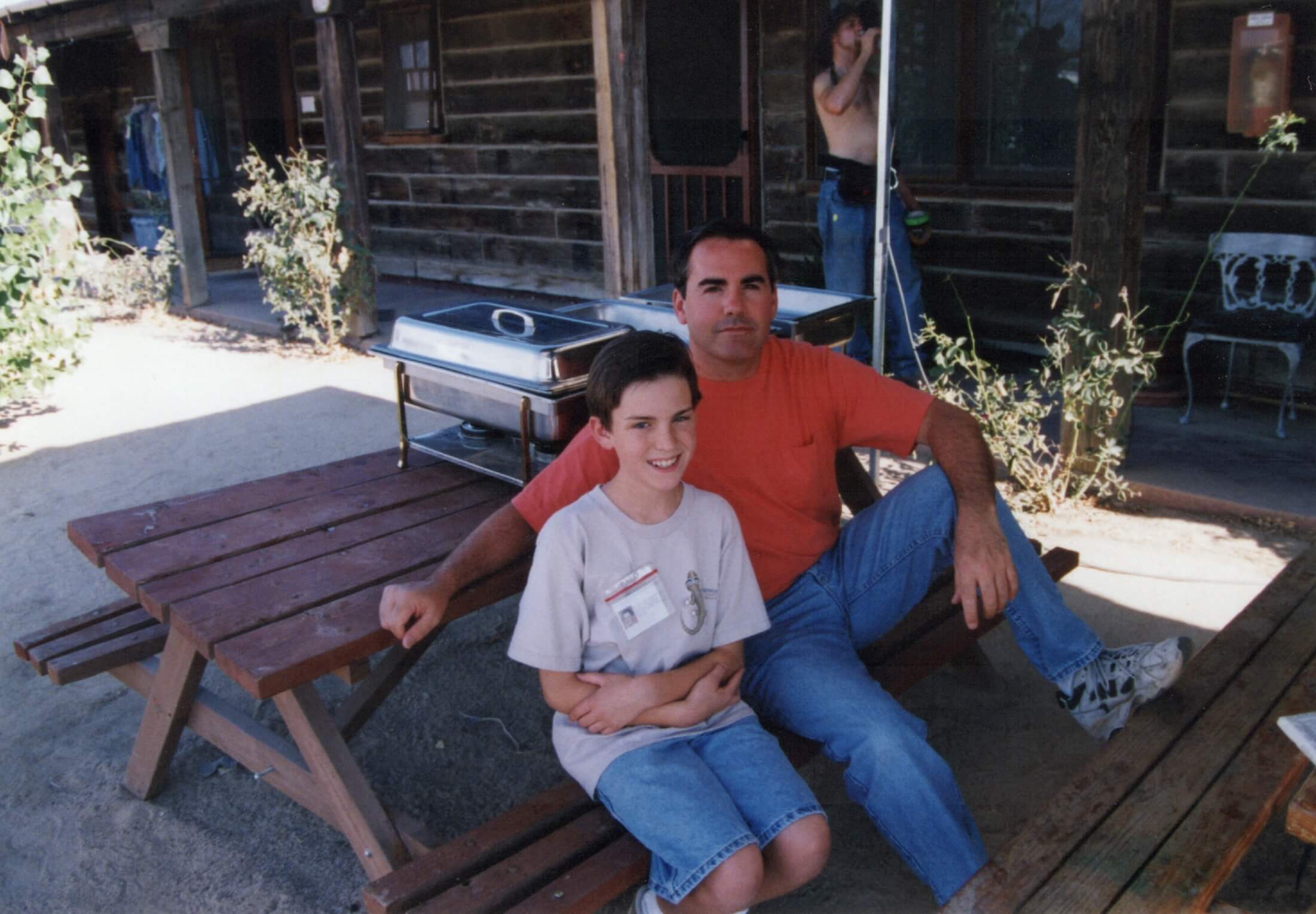
Before cameras rolled, Cranston recalls gathering locals to use as film extras and other volunteer work. “We went up on a location scout [near Yucca Valley] early, and I dropped off Bill at a local hotel that we rented for the day,” Cranston said. “We had a cattle call for people and put them on tape. And he was looking for volunteers of all kinds in all areas, and he put together a volunteer core that was just rock solid.” [4]
Dearden remembers, “There was one woman who worked at Walmart in the day, then she would come up to the set and work all night long, and go back and work at Walmart [the same] day. [The local extras & volunteers] could not have been better.” [4]
Timoney jokingly adds, “Anybody who got overcharged at Walmart that summer, now you know why.” [4]
SNEAKING ONTO THE SET

Filming commenced on July 6th, 1998; but perhaps the greatest number of local extras were filmed on July 10th. On that day, they were filming at the Yucca Bowl—Yucca Valley’s one and only bowling alley. It was on this day that my family heard that a lot of people were there for scenes inside and outside of the location. My 11-year-old self was excited to hear about this, wanting to know what exactly they were doing. And knowing my filmmaking aspirations, my parents wanted to help me try and get a look. So, after dinner, me, my parents, and my sister went to the Yucca Bowl.
The bowling alley was closed for the day’s filming, of course. I remember we had to park elsewhere, because their parking lot was filled with the film crew’s vehicles and equipment. We sneakily walked over to the parking lot, trying to see what they were filming. At that moment, they appeared to be filming inside with all the extras, but we couldn’t get a good look.
Timoney recalls, “This was the day we got a guy to come out with a Steadicam [to film at the bowling alley]. [Several] local girls were our waitresses [for some scenes].” [4]
“Bowling Alley Steadicam Shot” – A video clip from ‘Last Chance’ (1999).
Despite not watching them film this sequence, it is now crazy to see the interior of the bowling alley in a movie like this. I spent a lot of time there as a kid, either at friend’s parties or family events. It still looks largely the same, except for the waitress extras in special uniforms; serving people food and drinks. I don’t think the Yucca Bowl ever featured anything like this. People would just order food from the restaurant or bar and bring it to the lanes themselves. This element was merely added to help illustrate the film’s story.
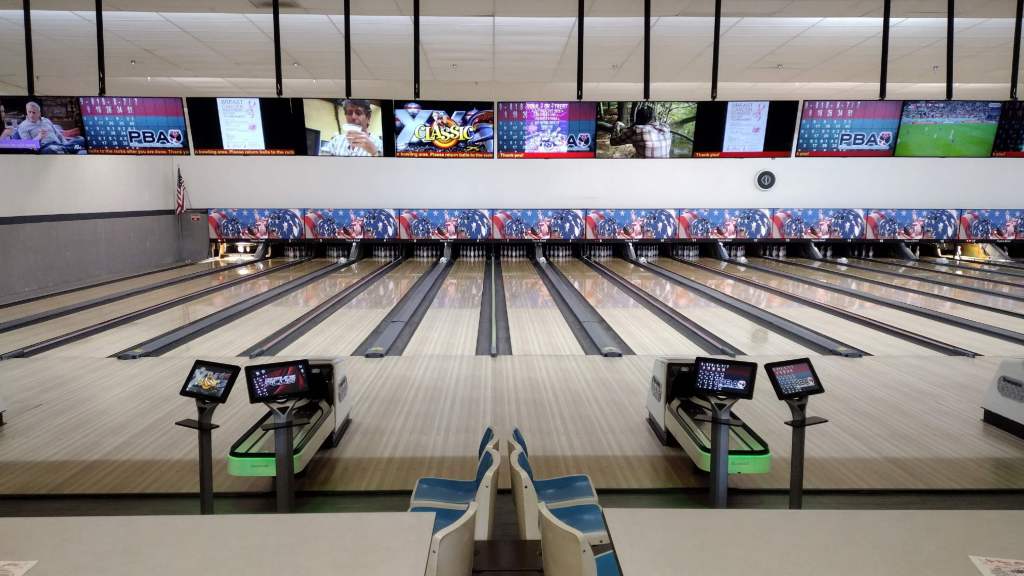
As this scene finished filming, someone eventually noticed our presence outside and walked over to us. His name was Tulley Brown, a production intern and one of the assistant directors.

At first, Brown said that we needed to leave, due to the production not allowing outside visitors. I was, of course, a bit bummed. But then my parents mentioned that I wanted to be a director and was curious to watch.
This made Brown smile for a moment, as he eyed me. He said, “A director? Really? Most kids your age want to be actors.”
I confirmed that I didn’t want to be an actor, despite having been in some local theater productions at that time. But I told him that I wanted to learn how the actors performed so I could better direct them one day.
This changed his whole demeanor. “How about I let you in a bit closer?” he asked.
Brown then quietly escorted us into the bowling alley as they were setting up a dramatic moment. Cranston’s character was about to slam the fictional bowling alley owner “Rodrigo,” played by Gary Cervantes, against a locker. I was shocked! I didn’t think we would get to see them filming anything so close, but we were just a couple yards away. I soaked it all in, as Cranston slammed the actor against the locker for several takes. I was surprised they had to do it so many times and wondered if Cervantes ever got hurt in the process. Hopefully not.
“Lance Slams Rodrigo In Bowling Alley” – A video clip from ‘Last Chance’ (1999).
Eventually, they wrapped the scene and began to reposition the crew outside for additional scenes. We went back outside and watched them film a bit longer, until my parents were ready to go home.

Before we left, Brown gave me a souvenir: a “call sheet”—listing the day’s scenes that were filmed, their location, the cast & crew involved, props needed, and other details. They were important documents that kept film productions organized and on schedule, sometimes including portions of the script needed for the day. Brown also said that we could come by and watch them film anytime we wanted to, and I would receive one of these call sheets upon every visit. He revealed their upcoming schedule so we could continue to follow them around. All we had to do was check in with him first, and we could spend the whole day there.
THE ACCIDENT

The following day, July 11th, we went to their next filming location in Yucca Valley: AAA Tire & Mufflers, standing in for the fictional “Hub Cap City.” They filmed in a fenced area outdoors that was naturally part of the location. In the scene, producer Bill Timoney portrays Lance’s friend & co-worker “Buddy,” as he points out various mufflers attached to a wooden wall. Sitting nearby, on a mass of tires for seats, are Lance and his other co-worker “Mark,” played by Bill’s real-life brother Mike Timoney.
“Hub Cap City” – A video clip from ‘Last Chance’ (1999).
I remember that my family and I didn’t get a very close look at them filming the scenes at this location, unfortunately. By the time we got there, all the crew and their vehicles had crowded around the small area and were mostly finished filming. However, something surprising had happened there.
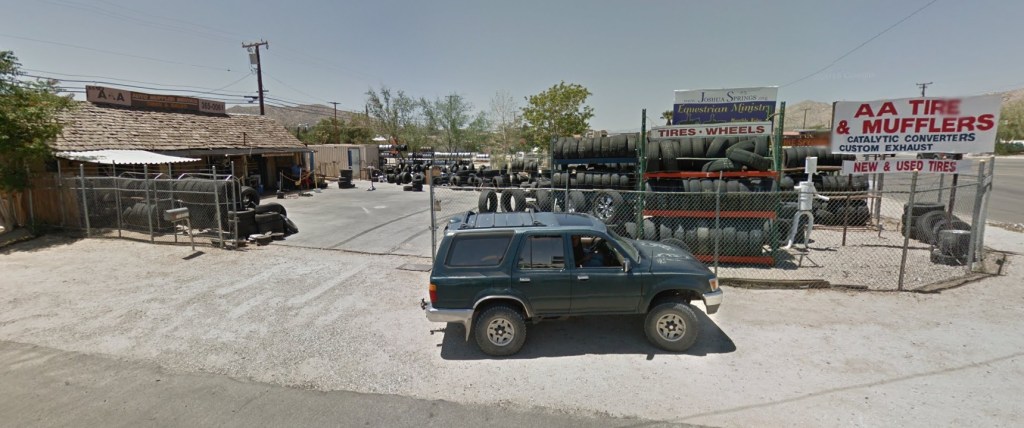
Photo by Google Maps.
Bill Timoney recalls, “Five minutes before we shot [the scenes at the automotive yard], we were rushing. This was our first setup of the morning. The [Production Assistants] were nailing all those hubcaps into the wall, and [Cranston] was running the scene with me standing right there, and somebody tried to nail in a screw. And when they smacked it with the hammer, it shot out and hit me in the eye! So, in [these scenes], my right eye is swollen almost shut. [Cranston had told me it wasn’t bleeding.] And it was bleeding.” [4]
“This is low budget,” Cranston muses, “We had to get the shot.” [4]
Timoney replies, “He lied. And then he said, ‘We’ll take you to the hospital, but can we shoot the scene first?’” [4]
“Yeah. Well, come on,” Cranston continues, “We had to finish that location or we’d never make the day. And you know how important it is. I was fortunate enough to hire [Bill as an actor] as well as the associate producer. So, I appealed to that end of the job.” [4]
“Once the scene was finished, Timoney was taken to the Hi-Desert Medical Center (HDMC) emergency room by his brother Michael,” a newspaper reported at the time. “And, as it just so happened, HDMC was the afternoon shooting location. Before he was even done receiving treatment for laceration and abrasion to the cornea of his eye, the rest of the crew had arrived, set up the equipment, and was situated in the Helen Gray Health Education Center for a buffet lunch.” [3b]
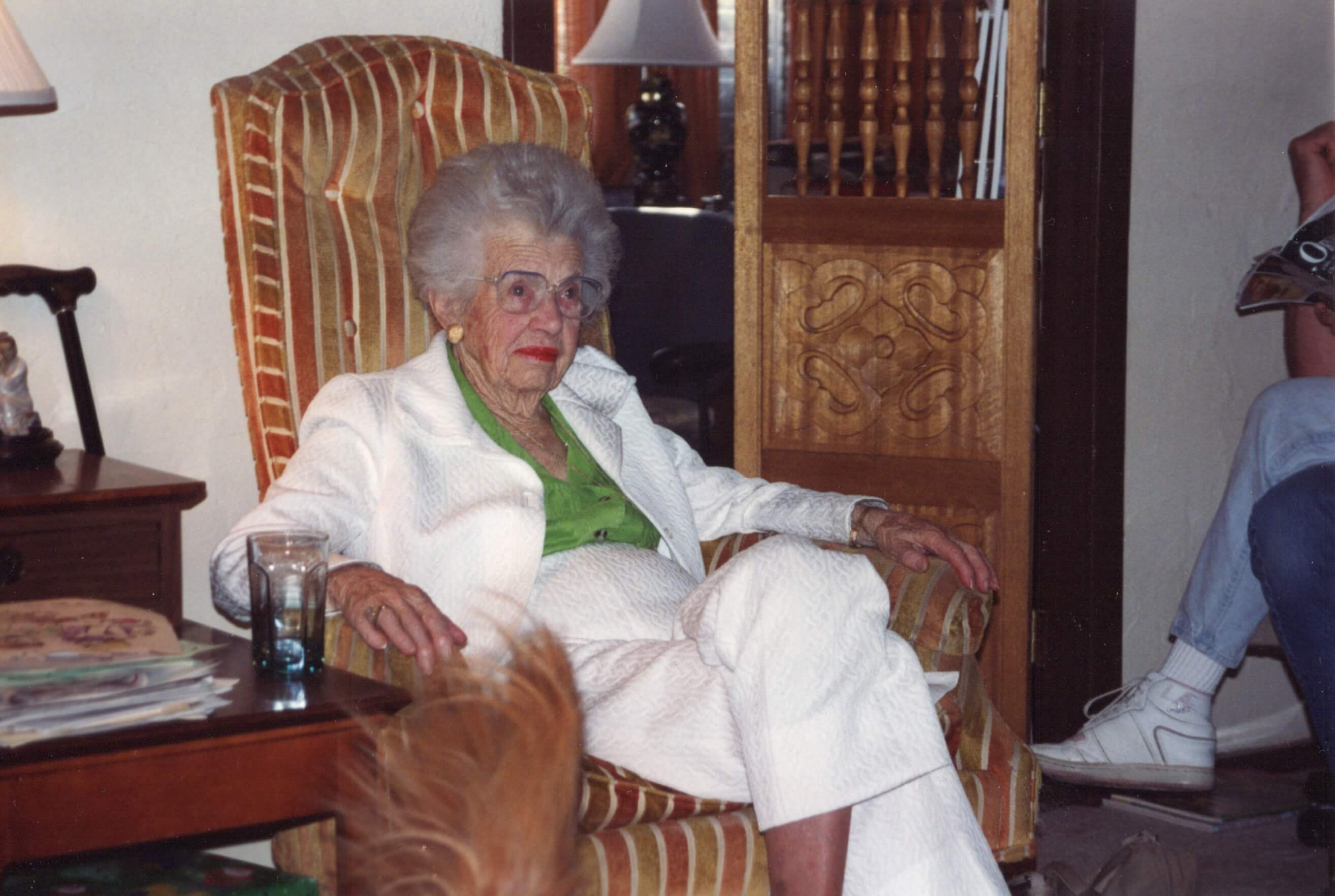
It was a huge coincidence that their next scenes would be filmed at that same hospital Timoney received treatment in, but another coincidence was where they were having lunch. The Helen Gray Health Education Center is named after my great-grandmother, thanks to various services and aid she provided to the hospital, and the community, during her lifetime.

I don’t think we learned about Timoney’s eye incident until we followed the film crew to the hospital, joining their lunch. When we saw him there, he was sporting a white patch over his right eye—smiling and appearing in good spirits. I recall my parents talking to him upon sight, and I was introduced to him.
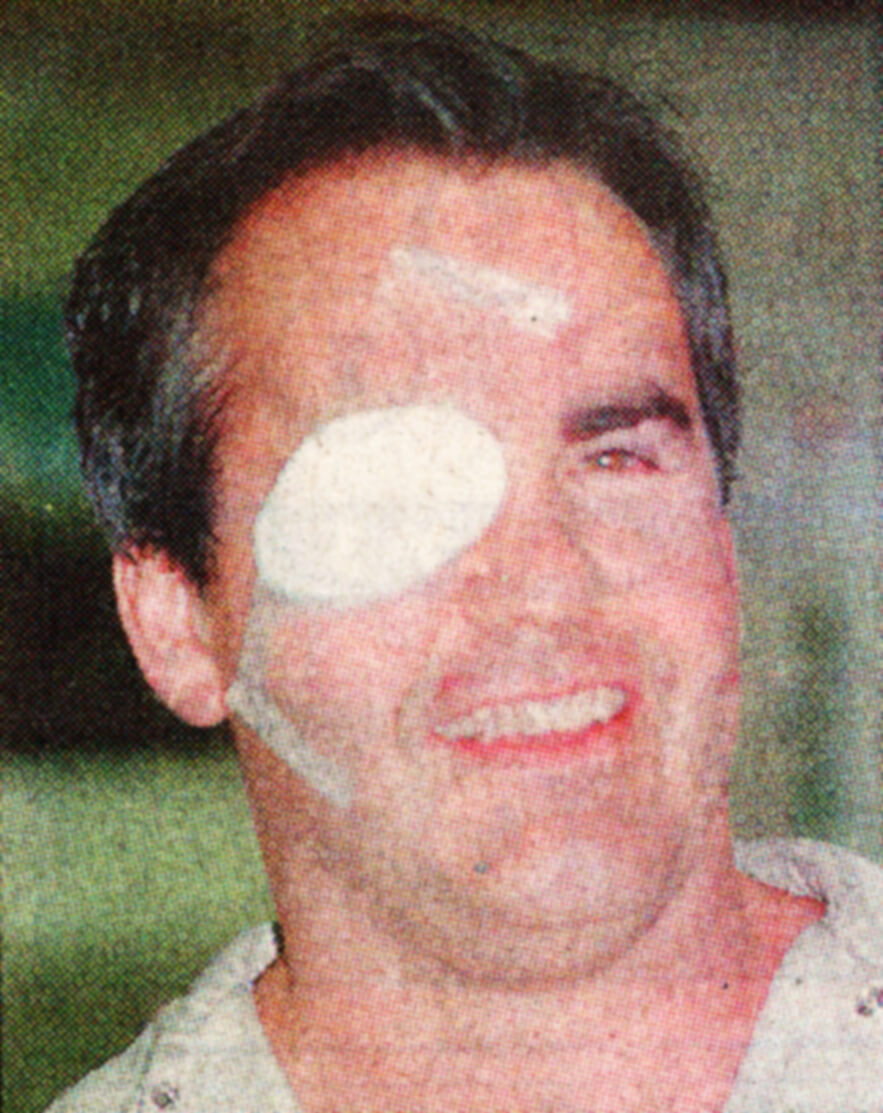
Like Tulley Brown, Bill Timoney was curious that I wanted to be a film director. At some point during our conversation with Timoney, he revealed they needed a couple of extra background roles in the scene that was about to be filmed.
THE ORDERLY & THE PATIENT
Once lunch was over, everyone moved into the hospital, setting up a sequence within a closed-off hallway that didn’t have any patients. My dad was now wearing plain blue clothes and a white name badge. He portrayed an orderly that stood silently behind a counter as Dearden’s character, Lauren, demands to see “Artie,” played by Jay Thomas.
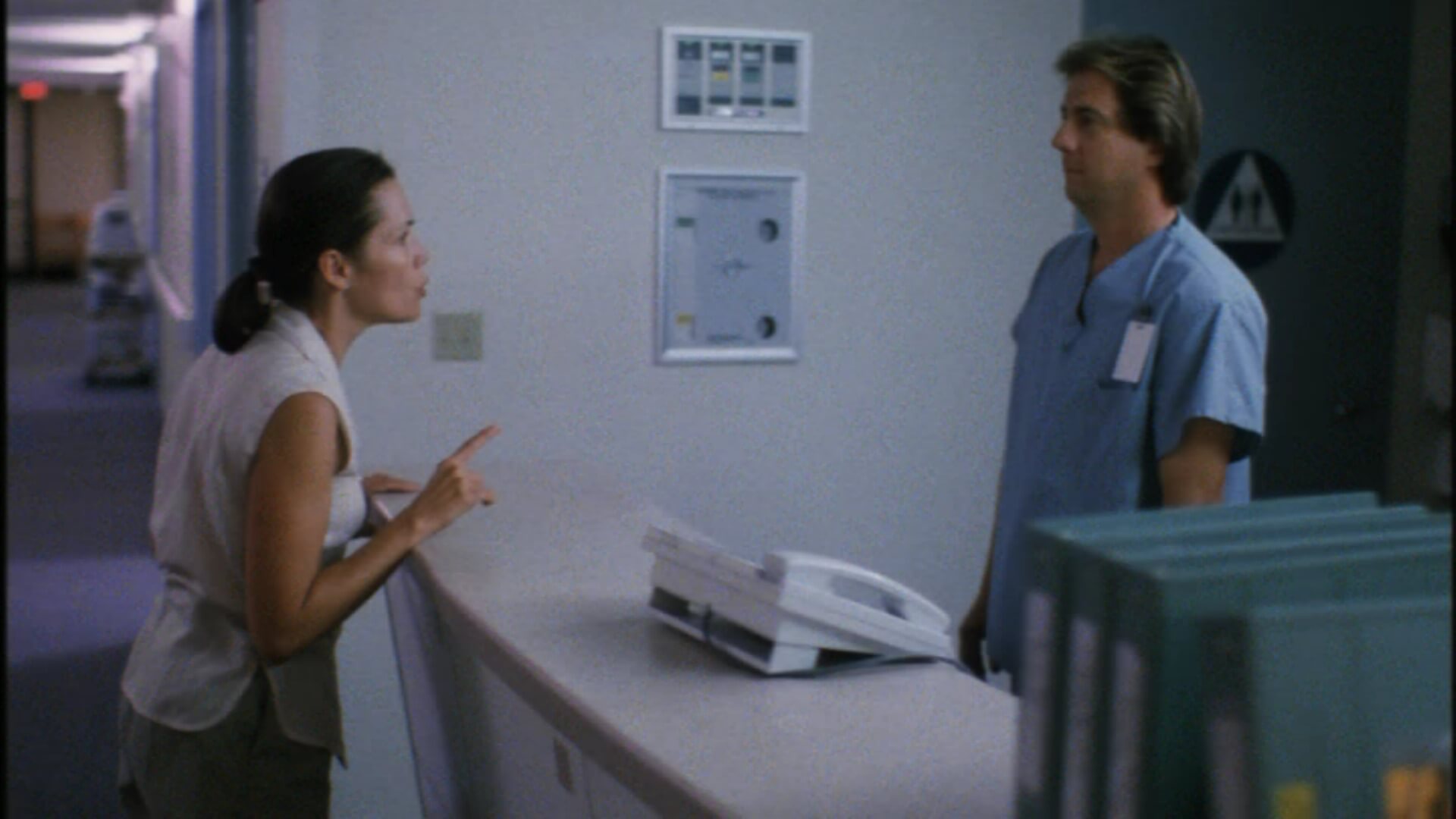
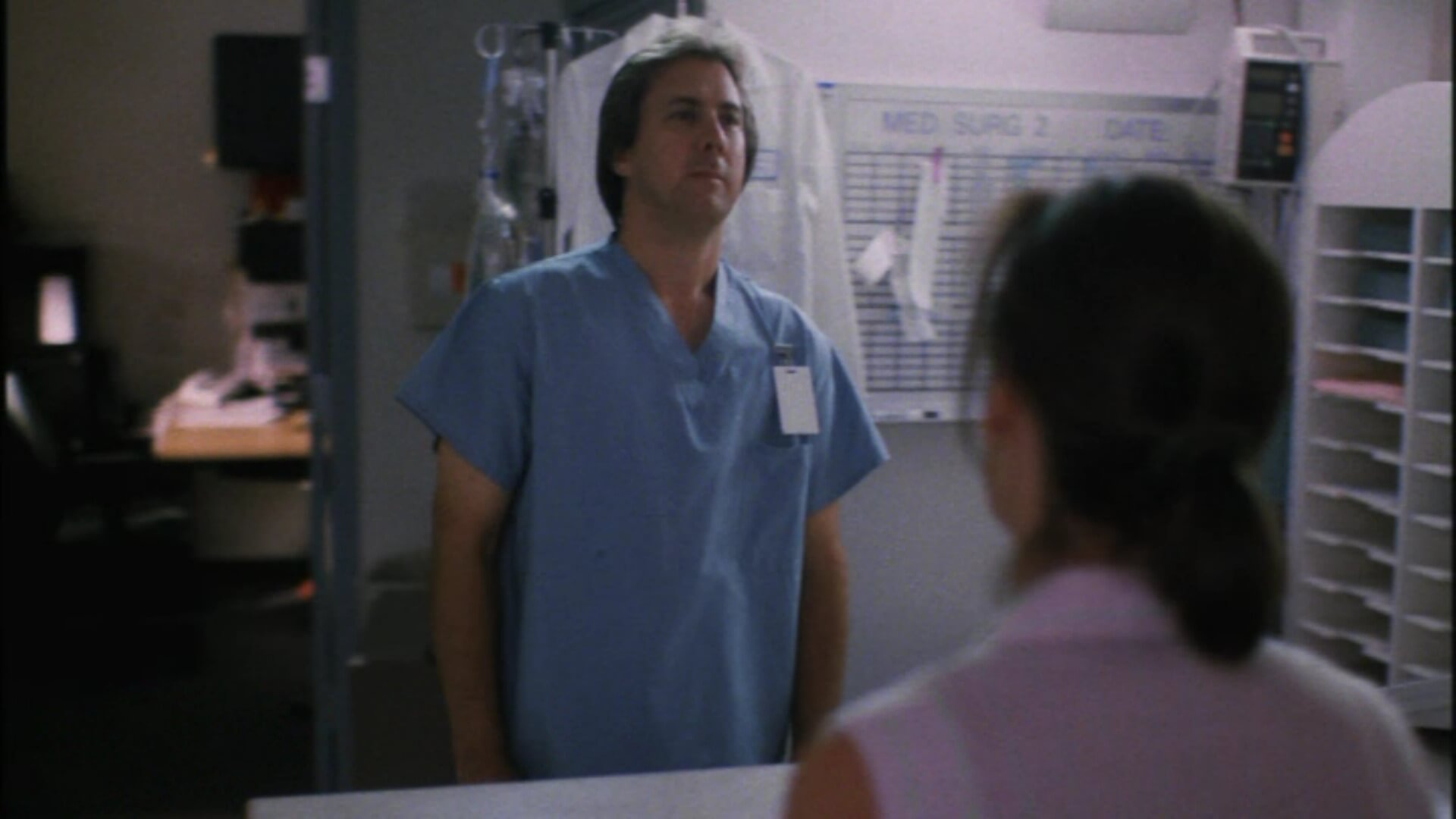
In a previous scene that takes place near the end of the film, Artie has had an accident and is taken to the hospital. It was at this point that I finally understood that most movies are not filmed in their storytelling sequence, but in order of what scenes are needed at specific locations, availability, etc. It made a lot of sense.

Shortly after my dad’s orderly character is dismissed to find a supervisor, my sister walks down the hallway dressed as a hospital patient in a white gown. Her role didn’t interact with any of the cast, only present in the scene to make the hospital feel inhabited.
While this was all going on, my mother and I were off to the side as we watched them get filmed. It was really cool seeing them be part of a movie, but I will admit that I was a little jealous. Despite wanting to be a director, I would have loved to have been in the film as well. However, the following moment that was filmed in the hospital would distract me from my disappointment.
A RIVETING PERFORMANCE
“The Hospital” – A video clip from ‘Last Chance’ (1999).
Dearden is not far from us in the hallway, only several yards away, urgently speaking into a payphone on a wall, as Thomerson approaches her from behind. His character, Sam, has just learned that Artie had died before reaching the hospital, and Lauren already knew. Clearly in denial, Lauren tells Sam that they need to get Artie’s things from the motel and bring them to the hospital. Sam firmly holds her as he plainly states that Artie is dead. Lauren snaps, shouting with further denial, until she sobs. Upon accepting the harsh reality, she then begins to blame herself for Artie’s death—continuing to sob into a hysterical state, until she slumps to the floor while in Sam’s comforting arms.
I remember being really impressed with how Dearden was able to carry the intense emotion and hysterical crying throughout the scene, and for several takes. It felt believable, every time. But I wasn’t the only one who believed her suffering.
Dearden recalls, “I found out later that there were people in the working part of the hospital who thought that someone had died, because they heard us and they didn’t know we were shooting a movie. And they thought that some horrible accident had happened.” [4]
Cranston adds, laughing, “It’s always nice to increase the pressure and pain in a hospital. More stress.” [4]
Timoney’s perspective as a producer, actor, and actual patient generated greater appreciation for the hospital that day than anyone else. “[The hospital staff] were wonderful to us,” he remembers. “They took such great care of us.” [4]
THE OFFICIAL OBSERVER
After the hospital sequence had wrapped, I remember being finally introduced to Bryan Cranston and Robin Dearden. I was a bit nervous, especially after watching Dearden perform her scene so spectacularly. They were both very warm and welcoming but also intrigued and delighted that I wanted to become a director. The pair were more than happy to have me and my family along to watch the process. I was then referred to as the “Official Observer” of ‘Last Chance.’
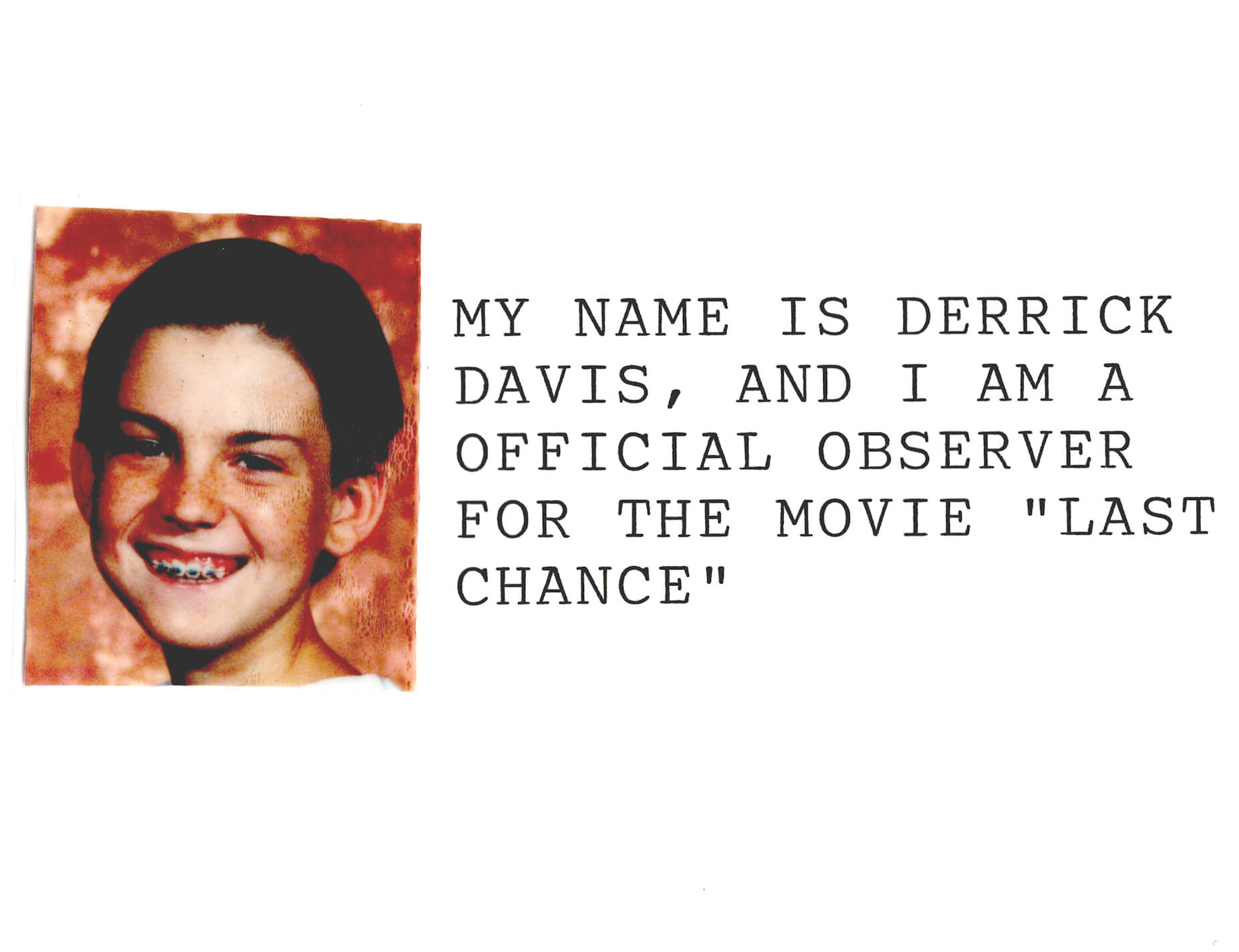
This prompted the idea to create a badge for me to wear on the next set visit with this title—printing it on paper, then gluing a cut-out photo of my face, and placing it in a plastic badge holder that would be pinned onto my shirt.
I would wear this badge on every visit from that point on.
This article was written & assembled by Derrick Davis on October 7th, 2025 exclusively for Derrick Davis Media. References used and the author’s research materials are cited and made publicly available. Featured in a Hi-Desert Star article on October 22nd, 2025; available to read online & in its printed form. If interested in quoting or showcasing anything from this article, please reference this site and the author.
 Derrick Davis Media